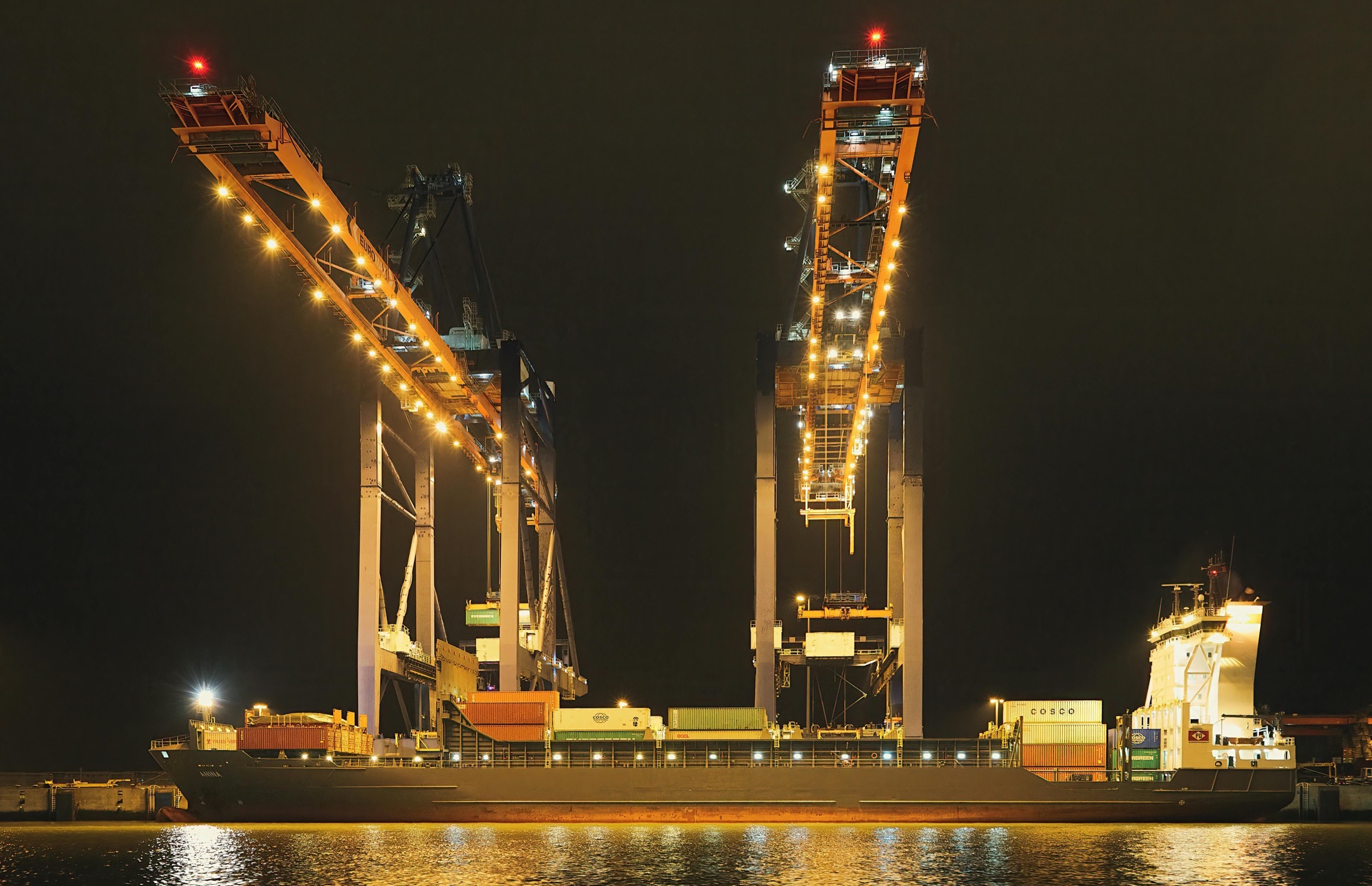
A UH professor has found that a staggering 80% of offshore accidents are driven by human and organizational factors and he has found complementary strengths to address the inconsistencies.
University of Houston professor of Mechanical Engineering Technology Weihang Zhu is spearheading an effort to redefine offshore safety, releasing a new roadmap designed to identify and close critical gaps in international crane operations.
While structural failures account for less than 20% of offshore accidents, a staggering 80% of incidents are driven by human and organizational factors — a reality that Zhu says current global standards fail to address consistently.
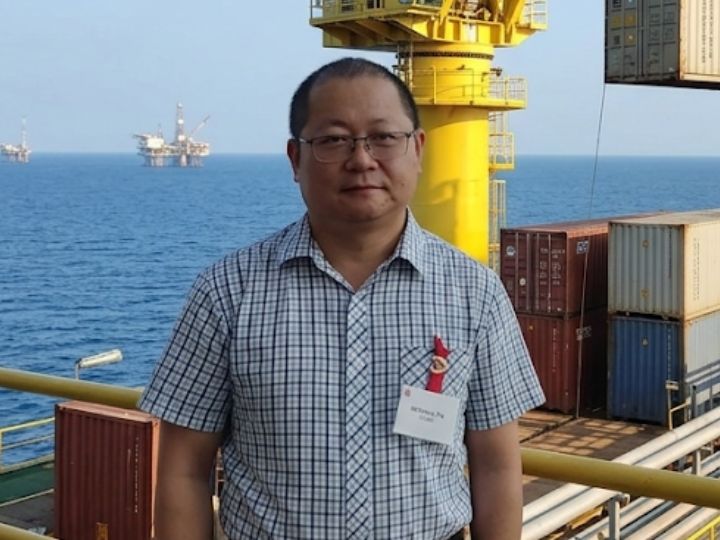
By analyzing the regulatory discrepancies between three of the world’s leading energy corridors, Zhu and his team are providing the industry with a strategic framework to harmonize safety practices and reduce the risk of catastrophic “human error” in hazardous marine environments.
The “Human Factor” Disconnect
Zhu found that while the “mighty crane” is central to global energy and construction, the regulations governing them vary wildly by borders.
“Human errors are often symptoms of deeper organizational failures, including poor communication, inadequate procedures and flawed training systems,” said Zhu. “Despite the recognized importance of these factors, their integration into safety standards is inconsistent across the globe.”
Published in the journal IISE Transactions on Occupational Ergonomics and Human Factors, the research — conducted alongside Kevin McSweeney of the American Bureau of Shipping and UH doctoral student Pratikshya Tiwari — compared the rigorous but differing standards of the United States, the United Kingdom and Norway.
Key Findings: A Foundation for Harmony
The study identified critical areas where the international community is already in sync, as well as “moderate” alignments that offer a starting point for global reform.
- High Similarity: Researchers found strong global consensus in maintenance procedures, hand signals and communication protocols. This reflects shared industry priorities, such as adhering to manufacturer recommendations and strictly enforcing substance abuse policies.
- Moderate Alignment: Common ground was also observed in personal protective equipment (PPE) requirements, personnel roles and inspection intervals, though specific regional practices still vary.
-
The Critical Gaps: Despite these similarities, notable gaps remain in training depth, lift categorization and personnel qualifications. While the U.S. emphasizes structured certification timelines, the UK and Norway prioritize ongoing competence and active worker involvement.
“Rather than viewing these differences as inconsistencies, our study highlights them as complementary strengths that can be built on,” Zhu said. “This suggests a massive opportunity for mutual learning and for enhancing crane safety frameworks by drawing on the best practices observed across different national standards.”
A Legacy of Impact
This roadmap is the latest milestone in Zhu’s 15-year commitment to maritime safety. Since 2009, his collaborations with the ABS and Lamar University have directly shaped the industry. His previous research served as the foundation for ASTM International standards (ASTM F3256-17 and F3284-18), which now govern how the industry records and reports near-misses and injuries.
By centering this new research in Houston — the energy capital of the world — the University of Houston continues to lead the transition from reactive safety measures to a proactive, human-centric safety culture.
Funding & Support
This project was supported by the Ocean Energy Safety Institute (Grant No. M2304846) and the National Academies of Sciences, Engineering, and Medicine – Gulf Research Program (Grant No. SCON-10000864).