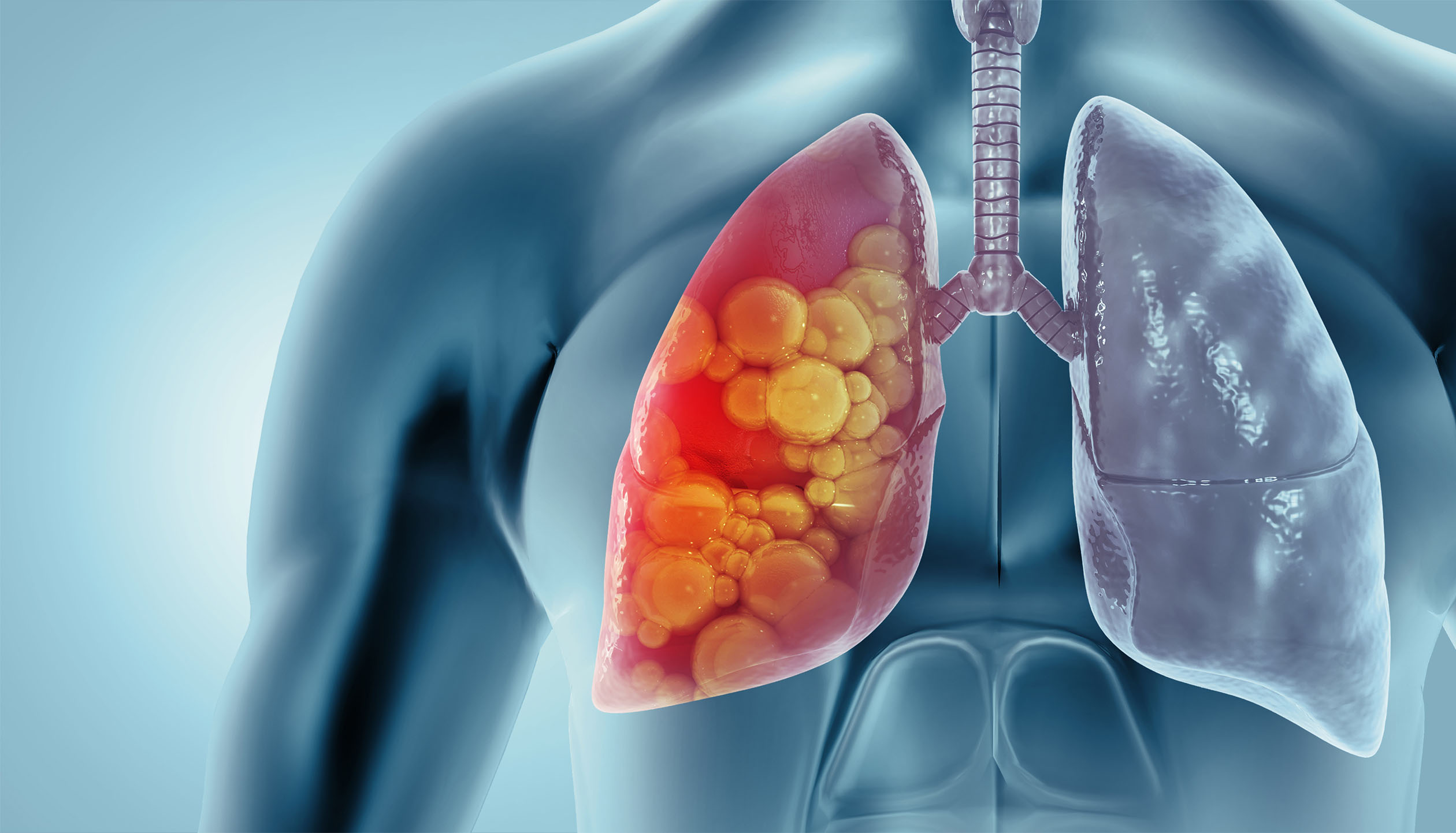
Lung cancer is the leading cause of cancer-related deaths, with most patients showing minimal benefit from current treatments. Photo courtesy Getty Images
Akash Gupta, a research scientist known for developing advanced delivery systems for cancer immunotherapies while working at MIT, will join the University of Houston Cullen College of Engineering William A. Brookshire Department of Chemical and Biomolecular Engineering as assistant professor and Presidential Frontier Faculty Fellow. Gupta will establish an independent research program to develop new platforms for cancer immunotherapies, initially focusing on lung cancer. His recruitment is supported by the Cancer Prevention and Research Institute of Texas through a $1.5 million award for Recruitment of First-Time, Tenure-Track Faculty Members.
Lung cancer is the leading cause of cancer-related deaths, with most patients showing minimal benefit from current treatments like immune checkpoint blockers. Tumor resistance, driven by factors such as immunosuppressive microenvironments and ineffective drug delivery, underscores the need for innovative strategies that can overcome these barriers and improve treatment outcomes.
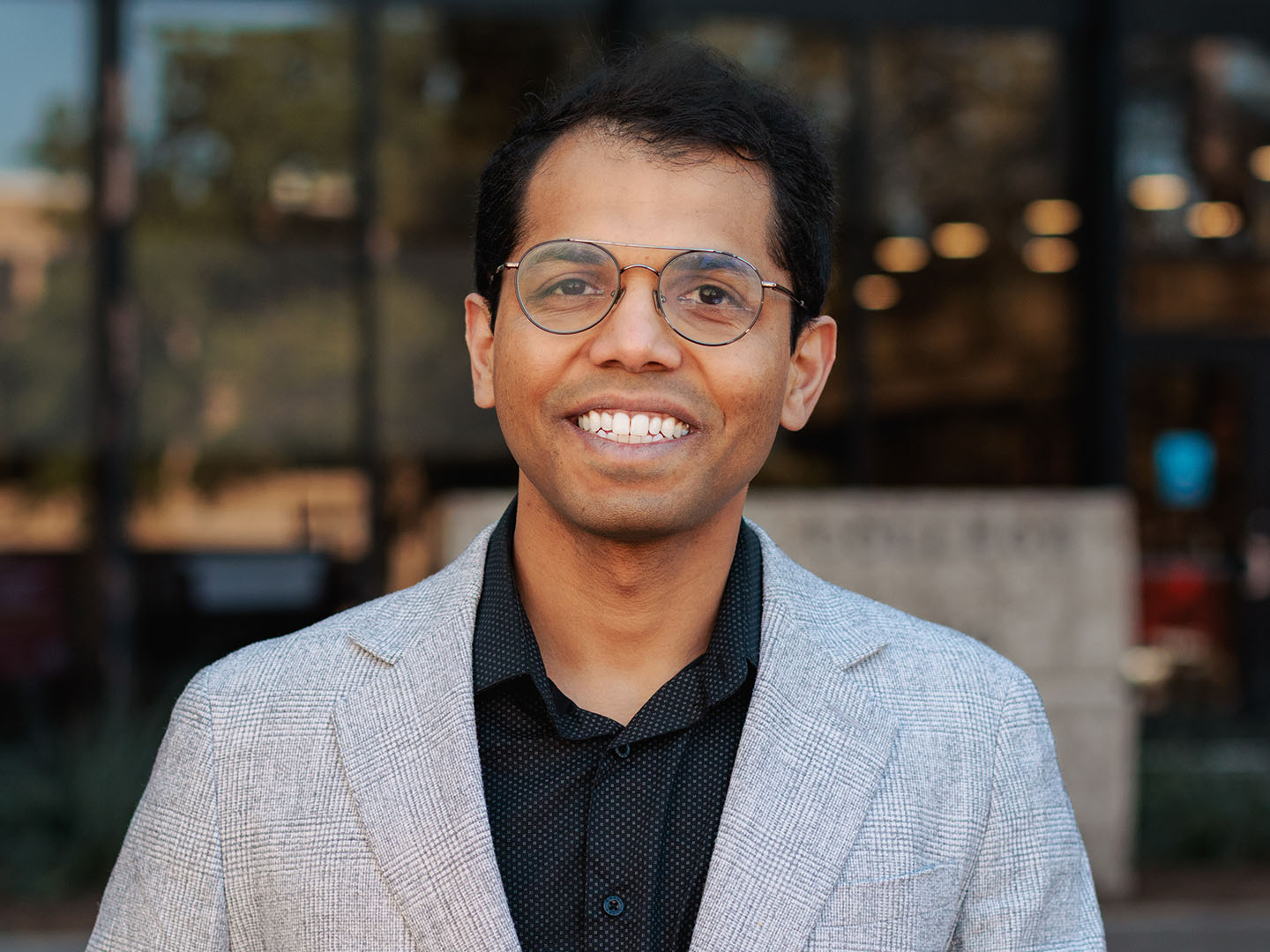
Akash Gupta
“We are seeking to develop a new treatment that employs advanced nanoparticle systems designed to deliver precisely engineered nucleic-acid therapeutics to specific cells or tissues that can reprogram the immune system to more effectively combat lung cancer and enhance responses to current immunotherapies in the clinic,” said Gupta, who trained with professors Dan Anderson and Robert Langer at MIT’s Koch Institute for Integrative Cancer Research.
The CPRIT recruitment award will enable Gupta to achieve several key goals over the next five years including development of a cutting-edge lung delivery platform that will ensure safe, cost-effective and patient-friendly treatments with reduced toxicity. He will also focus on designing next-generation gene therapies that help the immune system better detect and destroy cancer cells.
“This will involve engineering new immunotherapies that activate critical immune pathways to overcome tumor immunosuppression and train the immune system to recognize and attack cancer antigens,” said Gupta.
The CPRIT award is part of a $15 million funding package awarded recently by CPRIT to attract premier cancer scientists and clinicians to Texas-based institutions.
“The CPRIT Scholar program enables Texas institutions to bring the best and brightest cancer investigators here to Texas,” said CPRIT CEO Kristen Doyle, a cancer survivor.
“This is important to Texans because the innovative research that happens here can lead to novel cancer-fighting clinical trials, drugs, and treatments that might be available first to Texans.”