Key Takeaways
- Expanding access to care: UH is launching the 3rd Ward Place of Wellness to increase access to primary and mental health services in Houston’s historic Third Ward neighborhood.
- Community-driven model: The initiative is built on a community-centered approach, with Community Health Workers providing trusted, on-the-ground support including education, care navigation and chronic disease management.
- Part of a broader strategy: The wellness hub builds on UH’s growing network of community-based programs aimed at improving health outcomes by meeting patients where they are — in clinics, homes and neighborhood settings.
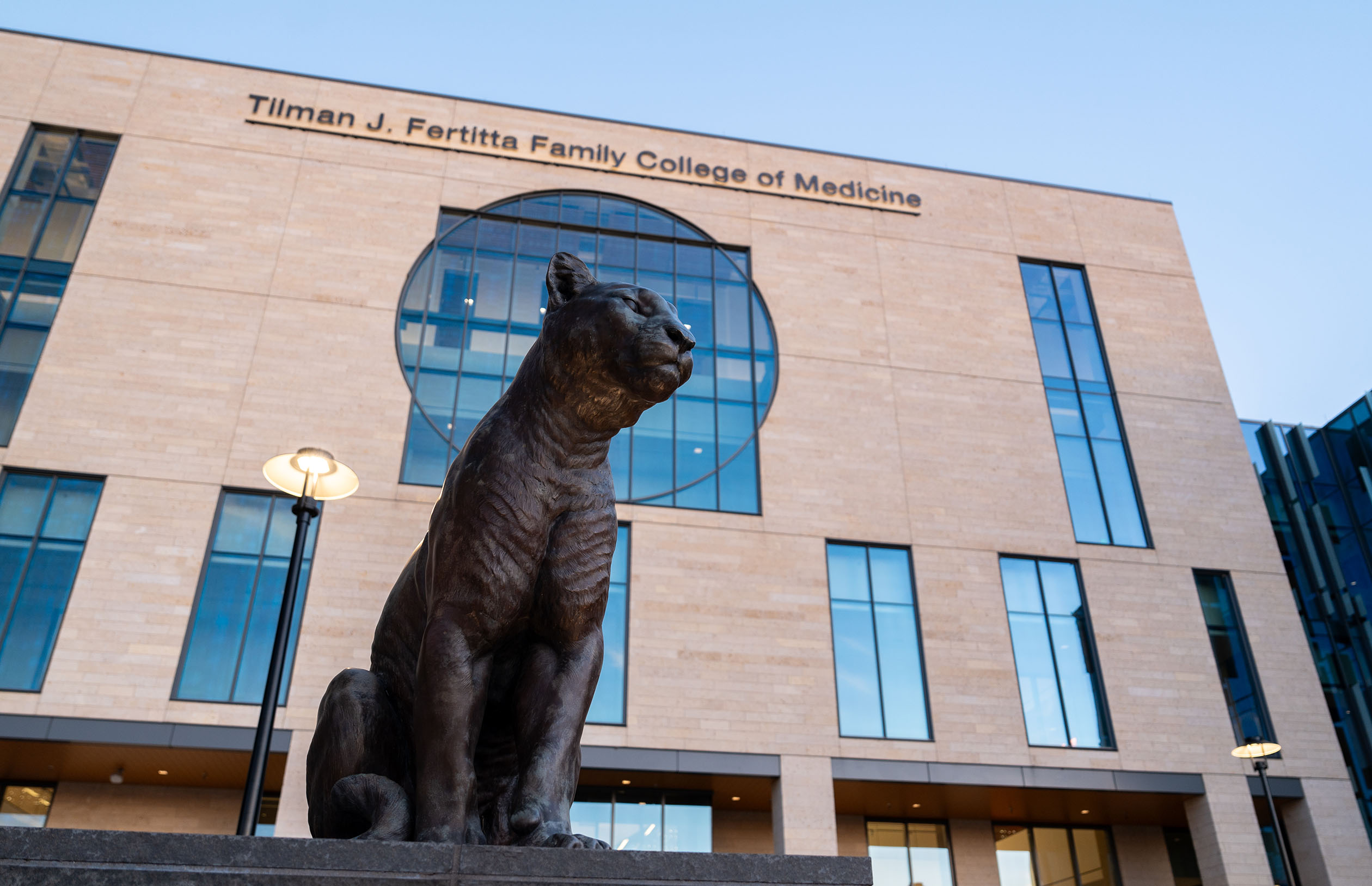
The University of Houston Tilman J. Fertitta Family College of Medicine has received funding from The Cullen Trust for Health Care to establish the 3rd Ward Place of Wellness, a community-driven initiative that will expand access to primary and mental health services in Houston’s historic Third Ward neighborhood.
Located within Project Row Houses, the 3rd Ward Place of Wellness is built on the Fertitta College of Medicine Health Commons model and uses a community-centered approach that incorporates shared decision-making to ensure services remain responsive to the needs of local residents.
Cori Grant, a clinical assistant professor in health systems and population health sciences at the Fertitta College of Medicine and principal investigator for the project, says the initiative builds on a proven model while intentionally shifting power to community members and community health workers (CHWs).
“The 3rd Ward Place of Wellness reflects what is possible when communities lead. We are grateful to The Cullen Trust for Health Care for supporting a community-engaged approach that advances access to health services and strengthens long-term wellbeing.”
—Cori Grant, Ph.D., M.B.A., Fertitta College of Medicine
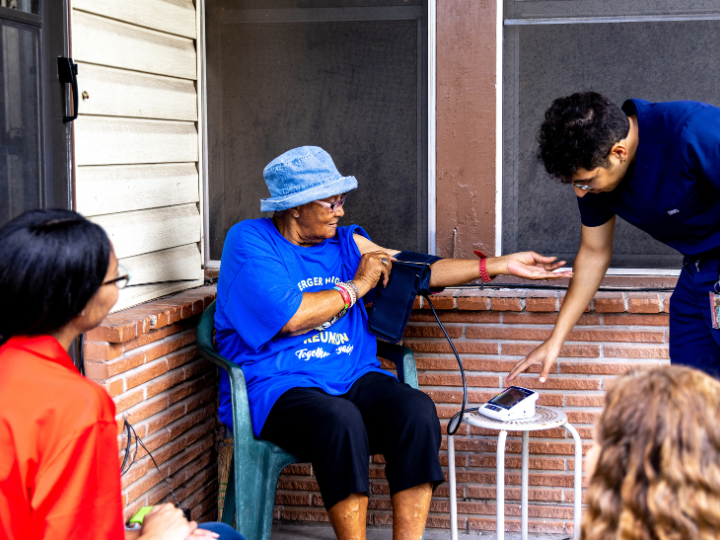
This approach is designed to improve early intervention, increase continuity of care and reduce avoidable hospital visits, with CHWs based full time in the hub, serving as trusted connectors providing health education, screenings, care navigation and chronic disease self-management support.
Community-driven Model Expands Access to Care
In addition to expanding access to care, the hub model strengthens the local health care workforce by offering residents from nearby communities opportunities to train and work as CHWs. The model also embraces an anti-displacement approach, recognizing the importance of stabilizing and supporting residents as neighborhoods evolve.
“This effort is about delivering care more effectively through community partnership,” said David Buck, M.D., M.P.H., associate dean for Community Health at the Fertitta College of Medicine. “By focusing on access, coordination and patient engagement, we can help ensure more individuals receive timely care and better manage their health.”
The 3rd Ward Place of Wellness is being developed in partnership with the Sankofa Research Institute, Community Care Cooperative and the UH Health Family Care Center. Leaders from the Sankofa Research Institute emphasized that partnership is key to ensuring the program is both accessible and sustainable.
“This collaboration brings together clinical expertise and local insight to improve how care is delivered,” said Assata Richards, Ph.D., Director of the Sankofa Research Institute. “By working together, we can strengthen connections to care and support better health outcomes across the community.”
A Broader Community Health Strategy
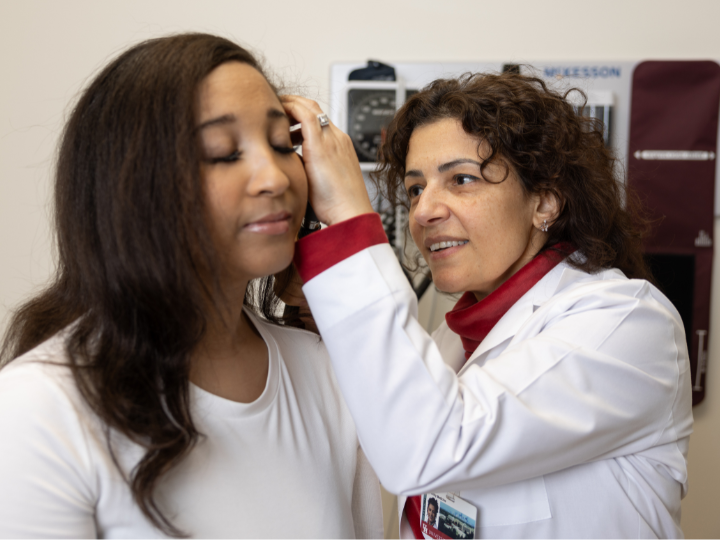
The 3rd Ward Place of Wellness, which is expected to serve as a scalable model for expanding access to care in other areas facing similar healthcare challenges, is the latest example of the University of Houston’s expanding community-centered approach to health care.
A cornerstone of this approach is the Family Care Center, an on-campus clinic that provides affordable, integrated primary and mental health services to neighboring communities with some of the highest chronic disease rates in Harris County, including Third Ward, East End and South Houston.
That commitment extends beyond the clinic walls with the Household Centered Care program, which pairs students with community health workers to support families through in-home visits. The program strengthens trust, improves health literacy and helps people better navigate the health care system.
“Together, these efforts reflect a comprehensive strategy focused on moving health care out of traditional silos and meeting patients where they are, whether in clinics, homes or community-based hubs,” said Jonathan McCullers, dean of the Fertitta College of Medicine. “It reinforces the Fertitta College of Medicine’s mission to improve health outcomes not just for our neighbors in Houston, but for all of Texas.”
For its continuous work and partnership, UH was recently recognized with the Carnegie Community Engagement Classification. This prestigious national designation honors institutions where community partnerships are central to teaching, research and service — underscoring the University’s commitment to improving health and quality of life in the communities it serves.