Dr. Don van Nieuwenhuise has been selected as the 2025–2026 Outstanding Alumnus of the University of Houston Department of Earth and Atmospheric Sciences (EAS) in recognition of a career marked by excellence in research, teaching, industry leadership, and service. His connection to the department began as a master’s student in geology during the 1970s and continued through more than two decades of service as a faculty member and director of the department’s petroleum geosciences programs.
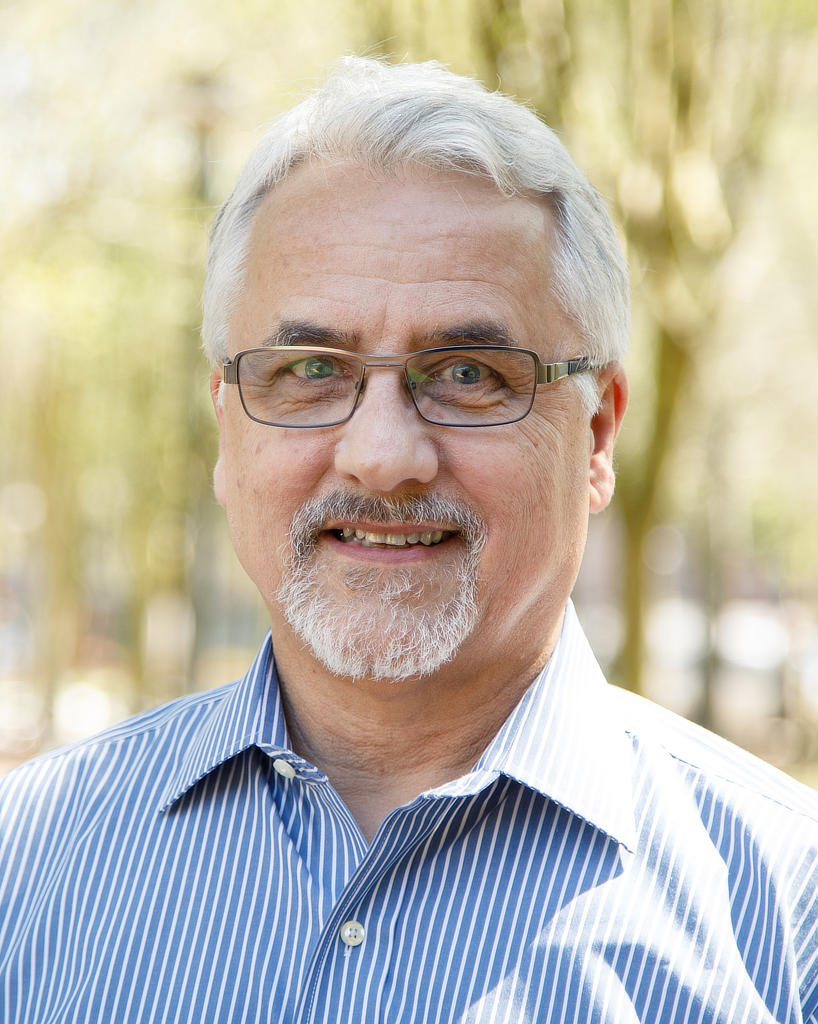
Known to generations of students as “Dr. Don,” van Nieuwenhuise studied at EAS from 1973 to 1977, earning a master’s degree in geology. His graduate work focused on stratigraphy, biostratigraphy, and environmental geology. His master’s thesis examined the environmental impacts associated with the diversion of the Santee River in South Carolina, reflecting an early interest in sedimentary systems and environmental change.
Following completion of his master’s degree, van Nieuwenhuise earned a Ph.D. from the University of South Carolina in 1978. His doctoral research investigated the biostratigraphy of Paleogene nearshore and deltaic environments in South Carolina, further developing the expertise in sedimentary geology and stratigraphy that would shape his professional career.
After receiving his doctorate, van Nieuwenhuise began his petroleum industry career with Mobil in New Orleans. During his time there, he contributed to the successful drilling of more than 15 wells in the Gulf of Mexico. He also served as an adjunct professor in the Petroleum Engineering Department at Tulane University, where he taught courses in subsurface mapping methods and reservoir characterization, demonstrating an early commitment to education alongside his industry responsibilities.
From 1981 to 1999, van Nieuwenhuise worked for Amoco, contributing to petroleum exploration and development projects in the United States and approximately 40 countries around the world. His work during this period emphasized stratigraphic research, exploration analysis, and project management. In parallel with his industry career, he served as a research scientist with the Energy & Geosciences Institute at the University of Utah from 1980 to 2001, maintaining strong ties to academic research while advancing his professional work in the energy sector.
In 2002—approximately 25 years after earning his master’s degree from EAS—van Nieuwenhuise returned to the University of Houston as faculty director and instructional professor for the department’s petroleum geosciences programs. His return marked the beginning of a highly influential period in the growth and modernization of professional geoscience education within the department.
One of his most significant accomplishments at UH was the creation of the Professional Master’s Program in 2004. The program was developed in two concentrations: petroleum geology and petroleum geophysics. It was designed to serve both working professionals in the Houston area seeking advanced education and international groups of industry-sponsored students. Participants included professionals from major energy companies in countries such as Brazil and South Africa, who completed portions of their coursework both on campus and through distance-learning formats.
Recognizing the needs of working professionals, van Nieuwenhuise structured courses to be offered on Friday afternoons and Saturdays, making graduate education more accessible to students balancing full-time careers. The program also emphasized practical application of geoscience knowledge. Rather than requiring a traditional research thesis, students completed a focused capstone project related to petroleum exploration, allowing them to apply classroom concepts to real-world industry challenges.
Throughout his career, van Nieuwenhuise successfully bridged the worlds of academia and industry. His contributions as a researcher, petroleum geologist, educator, program builder, and mentor have had a lasting impact on both the University of Houston and the broader geoscience community. His selection as the 2025–2026 Outstanding Alumnus recognizes not only his professional achievements but also his enduring commitment to advancing geoscience education and preparing future generations of Earth scientists.