
The American Academy of Social Work and Social Welfare (AASWSW) is an honorific society of distinguished scholars and practitioners dedicated to advancing excellence in social work and social welfare through high-impact scholarship, research, practice, education, and leadership in service to the public good.
The AASWSW Mentoring Program connects early-career scholars with Fellows of the Academy for focused, short-term mentorship over one academic year. Through the program, mentors provide guidance on career planning, scholarly networking, manuscript development, grant applications, research planning, and other activities that support the mentee’s professional development and scholarly trajectory. Mentoring is designed around specific goals and provides early-career faculty with an opportunity to learn directly from established leaders in the field.
The Graduate College of Social Work is proud to recognize two of its early-career, newly appointed assistant professors selected for the program this year.
Dr. Madison Haiman has been matched with Dr. Barbara Jones, MSW, FAOSW, Dean of the Boston University School of Social Work and a nationally recognized scholar in psychosocial oncology and palliative care. Dr. Terrell Richardson has been matched with Dr. Ron Manderscheid, a nationally recognized expert in mental health policy, and Adjunct Professor at the Bloomberg School of Public Health, Johns Hopkins University, and the Suzanne Dworak-Peck School of Social Work, University of Southern California. Their selection continues GCSW's strong representation in the AASWSW Mentoring Program. Last year, Assistant Professor Edward D. Scott, Jr. was matched with Dean Ramona Denby-Brinson of the UNC Chapel Hill School of Social Work.
The faculty members’ participation in the AASWSW Mentoring Program reflects the caliber and promise of GCSW’s early-career faculty while providing them with opportunities to engage directly with distinguished leaders in social work and social welfare. These mentor relationships will support their continued development as scholars, educators, and leaders while connecting their work to a broader national community of social work scholarship and practice.
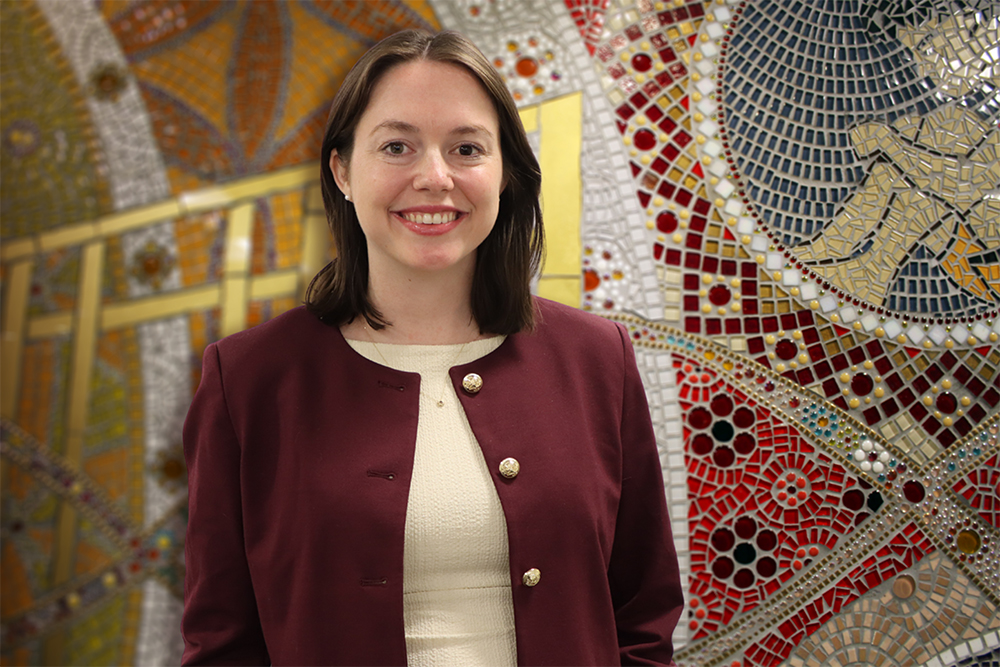
When asked what this match and opportunity mean to them and what they hope to gain from the year of mentorship, both faculty members emphasized the value of learning from established leaders as they build their scholarly careers and expand the reach of their work.
For Dr. Haiman, the opportunity to work with Dean Jones is particularly meaningful as she begins her academic career. “It is an incredible opportunity to learn from Dean Barbara Jones. As a first-year faculty member, having the targeted mentorship that this program provides is invaluable as I build the foundation for my career,” she shared.
Over the next year, Dr. Haiman hopes to gain practical guidance on building a successful and sustainable career in academia, drawing on Dean Jones’ experience as a social work scholar and academic leader. She is particularly interested in how this mentorship can help her “think bigger” as a scholar, while broadening her perspective on the long-term impact of her research across social work, policy, and practice.
For Dr. Richardson, the mentorship offers an opportunity to strengthen his research agenda and develop as an emerging leader in college student behavioral health. “I am enthusiastic about being selected for the AASWSW Mentoring Program and the opportunity to be mentored by Dr. Ron Manderscheid, a distinguished leader in mental health whose career spans research, policy, and practice,” he shared.
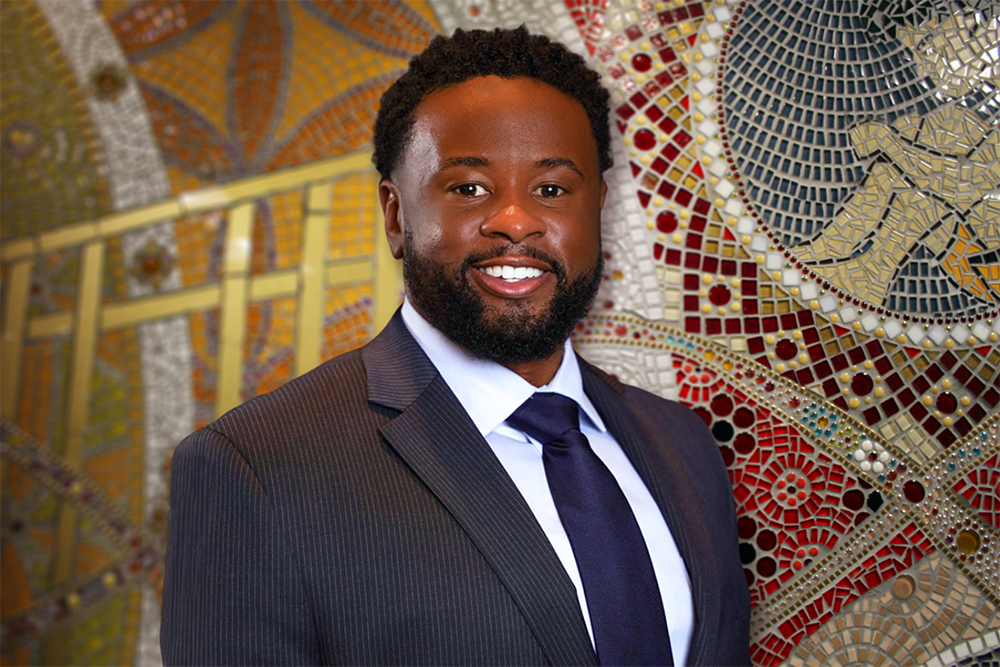
As an early-career investigator, Dr. Richardson is committed to conducting and disseminating timely, impactful research addressing the factors that shape college students’ behavioral health and academic success. He looks forward to working with Dr. Manderscheid to sharpen his research questions, strengthen his scholarly trajectory, and build a broader network of collaborators.
Throughout the mentorship year, Dr. Richardson plans to prepare an application for an early-career award, drawing on Dr. Manderscheid’s expertise to develop a thorough and well-positioned proposal. His long-term research interests include examining how college campuses, informal support networks, and systems of care can better support students’ mental health and academic success. He also hopes to learn from Dr. Manderscheid’s experience translating research into policy and practice, with the goal of producing rigorous scholarship that has meaningful impact on the students and communities it serves.
Through these mentorship opportunities, Dr. Haiman and Dr. Richardson will have dedicated time to learn from nationally recognized leaders, refine their professional goals, and strengthen the foundation for their future contributions to social work scholarship, education, and practice.