Energy Scholars Cohort
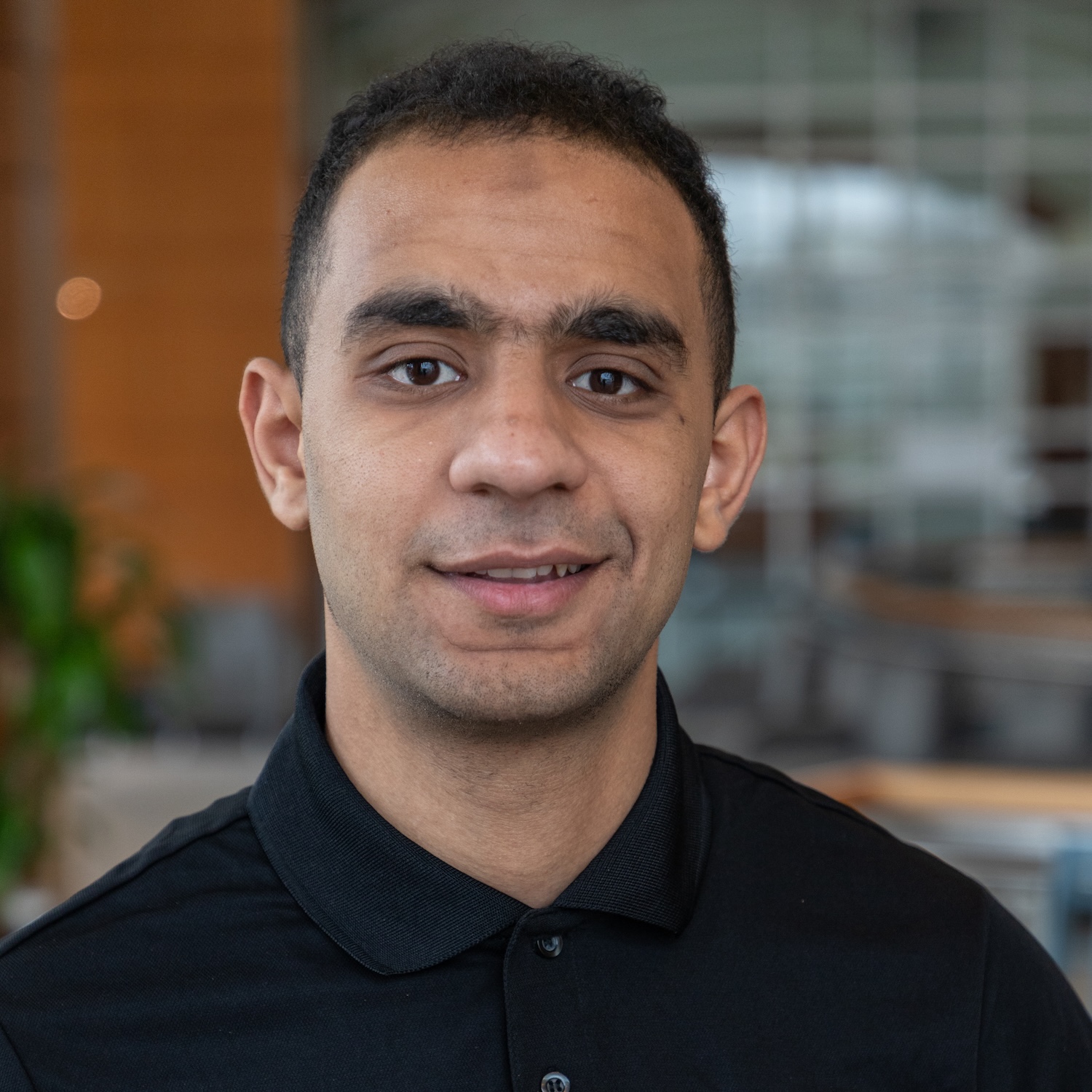
Mohamed Abdelgalil
Mohamed’s research centers on optimizing renewable energy to hydrogen integration to enhance the reliability and sustainability of future energy systems. Because offshore wind and solar generation fluctuate with environmental conditions rather than operator control, converting surplus electricity into clean hydrogen is becoming increasingly critical for maintaining grid stability. To address this challenge, Mohamed is developing an advanced optimization model that couples renewable power, electrolyzers, grid electricity, and hydrogen storage within a unified techno-economic framework. Using the state-of-the-art Gurobi solver, the model assesses how dynamic power inputs, efficiency variation, and real-time market conditions shape hydrogen production and system profitability. This work advances high performance power to hydrogen strategies that strengthen renewable integration and accelerate the transition to a low-carbon energy economy.
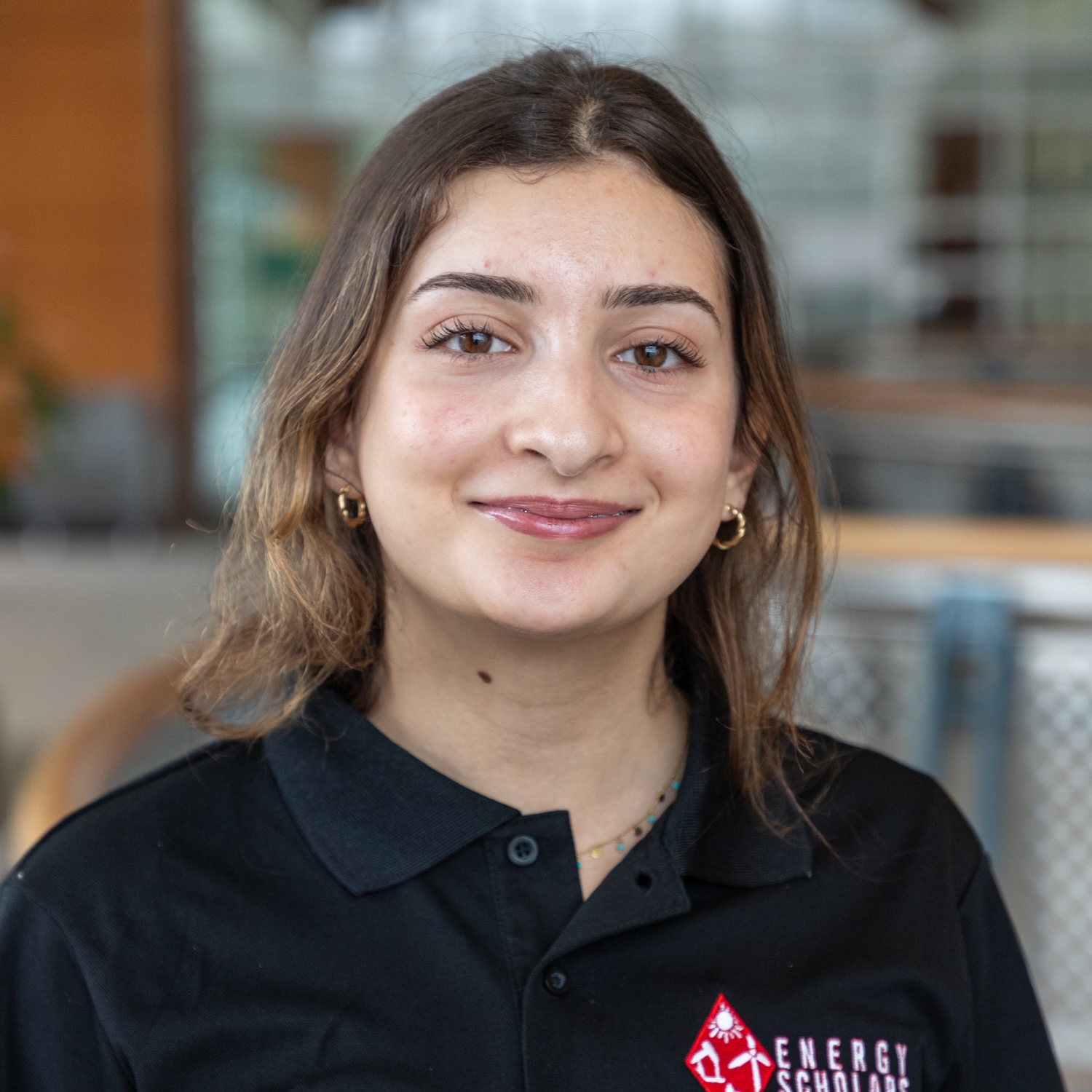
Masa Basileh
Masa’s research looks at how surface hydroxyl groups influence hydrogen spillover and movement on Au/TiO₂ catalysts. Working with Dr. Lars Grabow, she uses atomistic modeling to study how hydrogen and deuterium travel across the metal–oxide interface and how different surface chemistries change that behavior. Through background research, kinetic modeling, and data analysis, she aims to better understand the factors that control hydrogen adsorption and diffusion on these surfaces. This project is helping her strengthen her computational skills and build a clearer picture of hydrogen behavior at the atomic level.
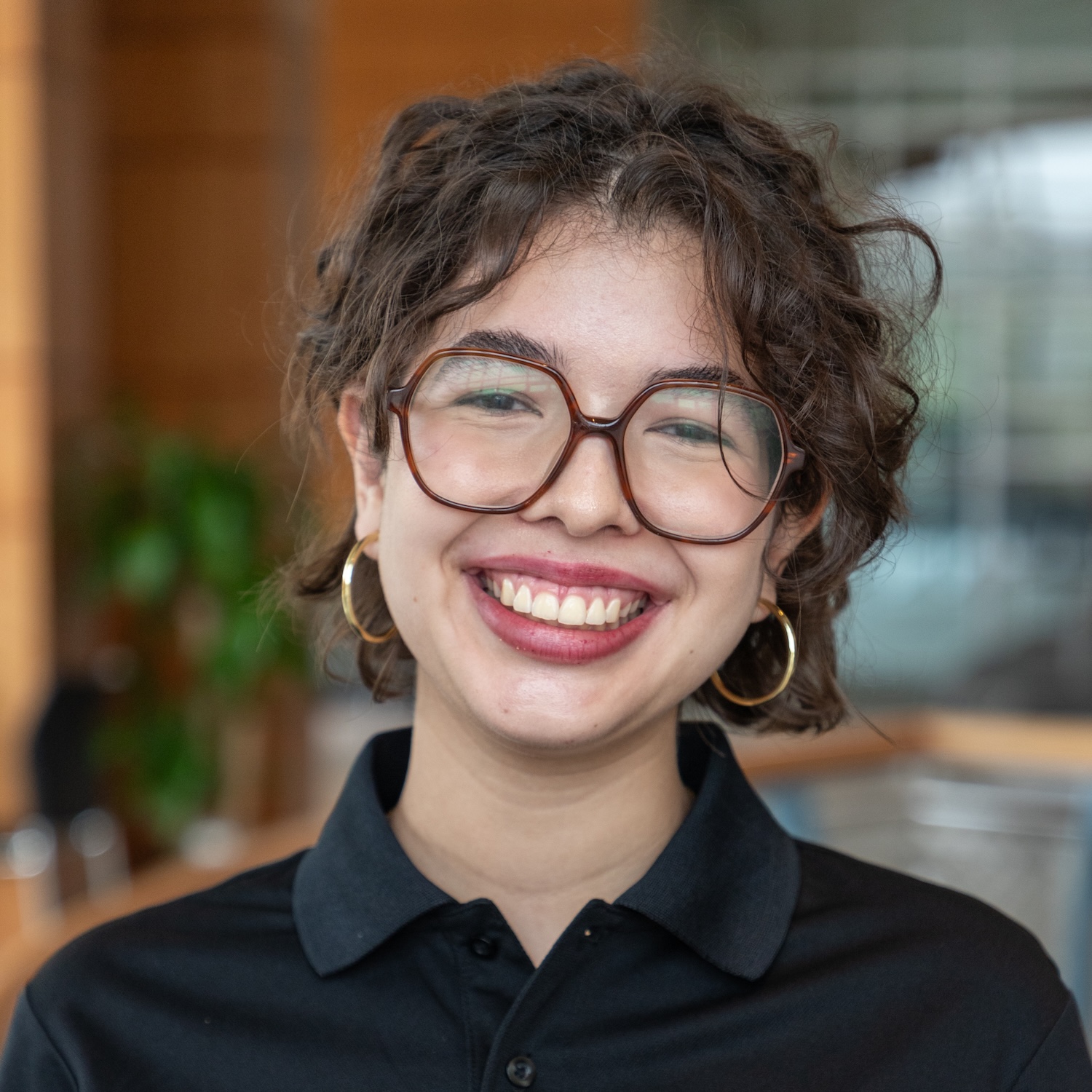
Natalia Bautista
Natalia’s project aims to quantify the environmental, thermal, and social benefits of the University of Houston’s tree canopy. Building on a recent UH Energy Hackathon project, she seeks to heat-map the university’s campus to better understand spatial temperature variation. This analysis will allow her to measure canopy cover, hydrology benefits, stormwater retention, and energy savings. Through this research, she aims to identify cost-effective strategies for expanding canopy coverage to mitigate the urban heat island effect and enhance campus efficiency, sustainability, and comfort through the strategic planting and maintenance of trees.
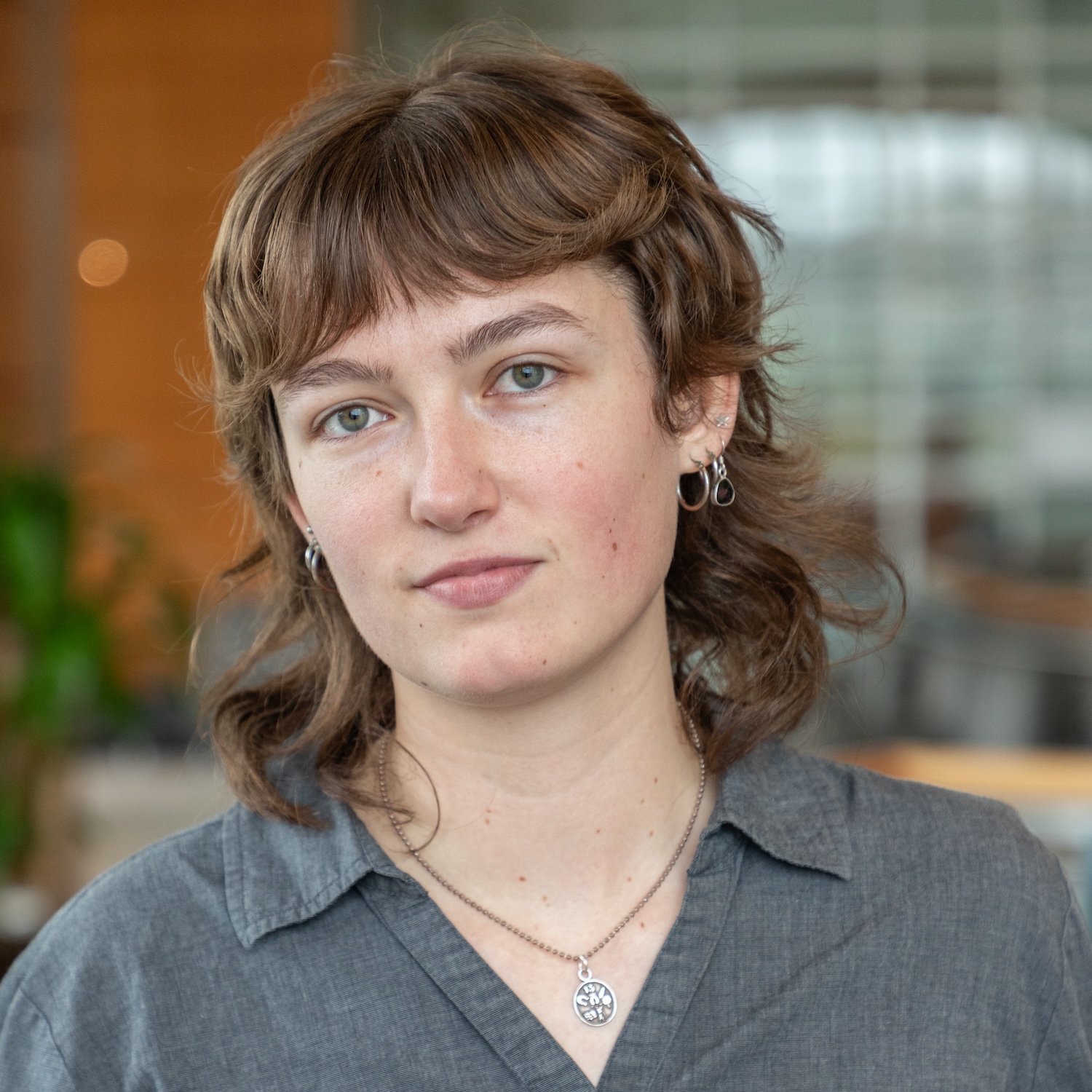
Ella Cameron
Ella demonstrates the role of landscape architecture and urban design in envisioning sustainable future energy landscapes. Her research investigates alternative nature-based practices and strategies for carbon management in the Texan Gulf Coast, expanding beyond engineered and geo-engineered carbon capture and storage systems to explore more sustainable landscape-based approaches for long-term carbon sequestration and storage. Through the analysis of past and current carbon-related practices, her work identifies sites of friction between potentially harmful activities and socio-ecological systems and addresses conflicts for future scenarios, revealing opportunities for sustainable carbon management. By demonstrating the potential of nature-based solutions, her work aims to show how ecological practices can complement and potentially replace purely technological strategies—positioning ecological design and landscape architecture as active agents in the energy transition.
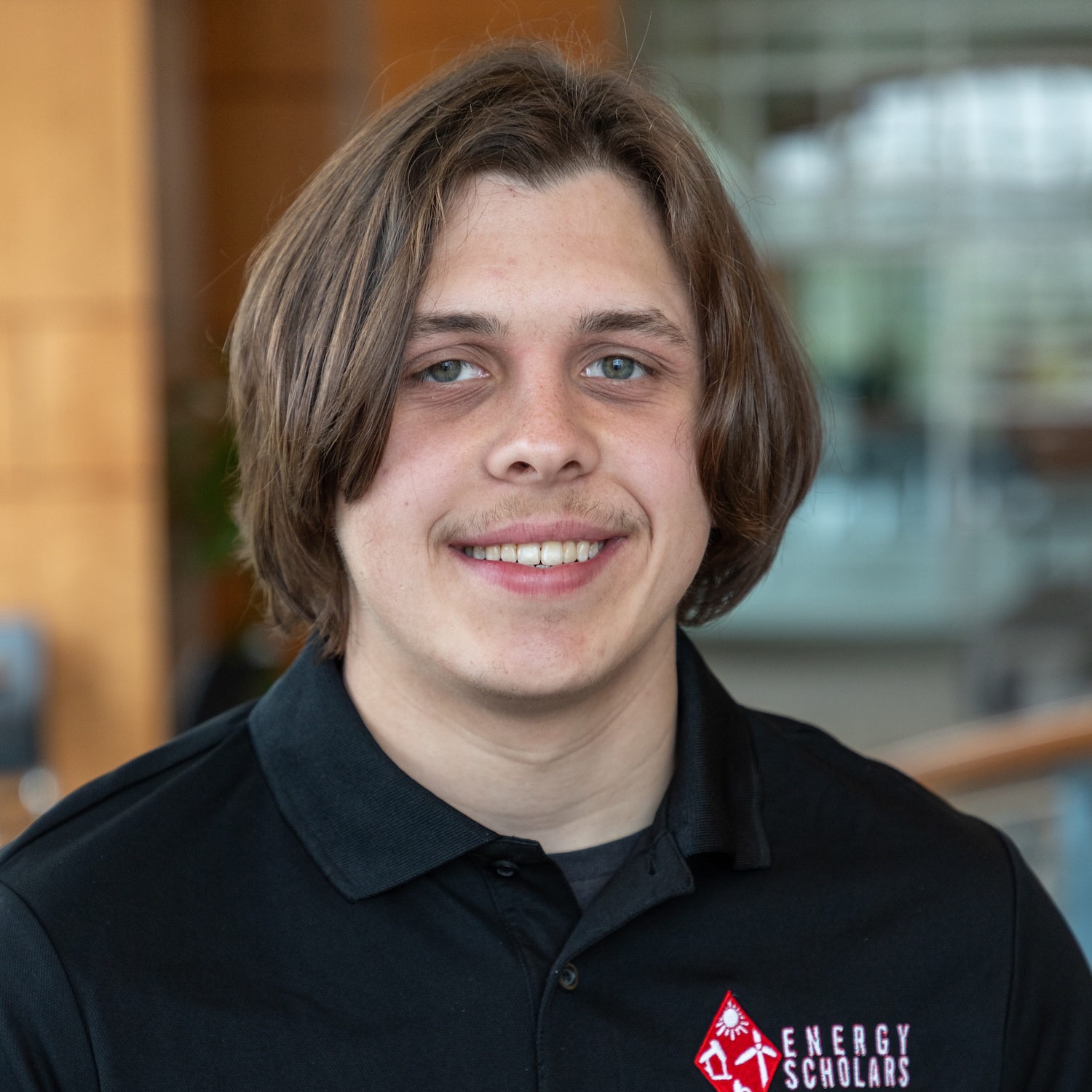
Elijah Clark
Due to geopolitical stresses on rare earth materials, energy storage methods have become increasingly expensive and environmentally detrimental, with lithium-ion batteries and fuel cells. Due to this and Elijah's interest in energy storage, Elijah plans to research hydrogen production via electrolysis; specifically, by researching and developing methods that use seawater and low-cost electrolyzers (catalysts, anodes, and cathodes) to generate hydrogen. When powered by renewable energy sources, this process can serve as a reliable way to store excess clean energy for later use in fuel cells or combustion. Using Shuo Chen's current and past research, Elijah's goal is to identify and evaluate strategies that make electrolysis a more accessible and clean method of hydrogen production.
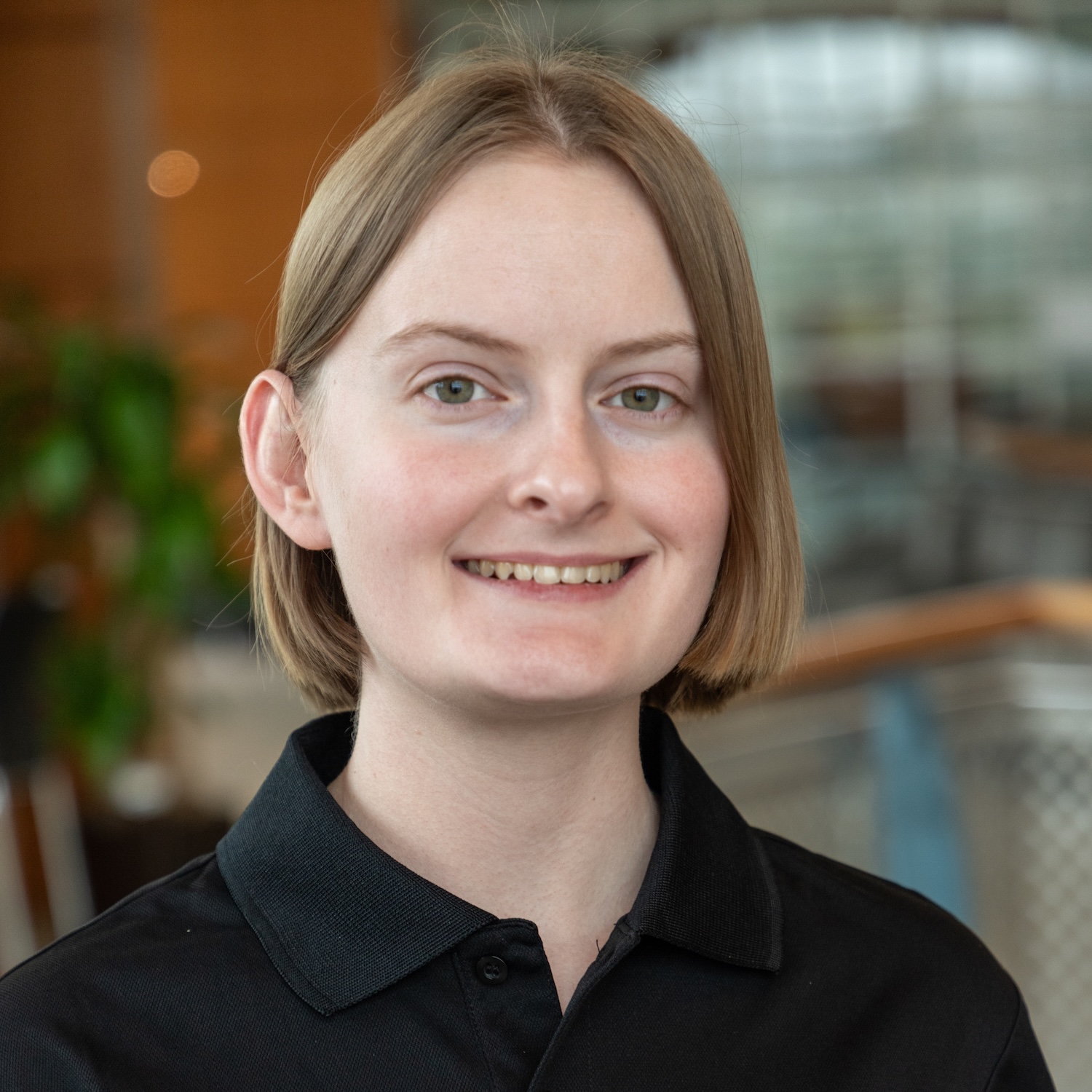
Katie Crouch
Katie’s research combines computational chemistry with in-lab research to synthesize novel sodium-ion battery materials, addressing the growing need for environmentally friendly and low-cost energy storage solutions. In this research, she focuses on honeycomb-layered sodium-transition metal oxides as cathode materials, which are particularly promising due to their high capacity and good cycling stability. To make the process of synthesizing and testing these materials more efficient, she uses the Vienna Ab Initio Stimulation Package (VASP) to determine whether a compound is viable as a battery material prior to beginning synthesis. By using this technique, she hopes to contribute to creating a more sustainable future for energy storage.
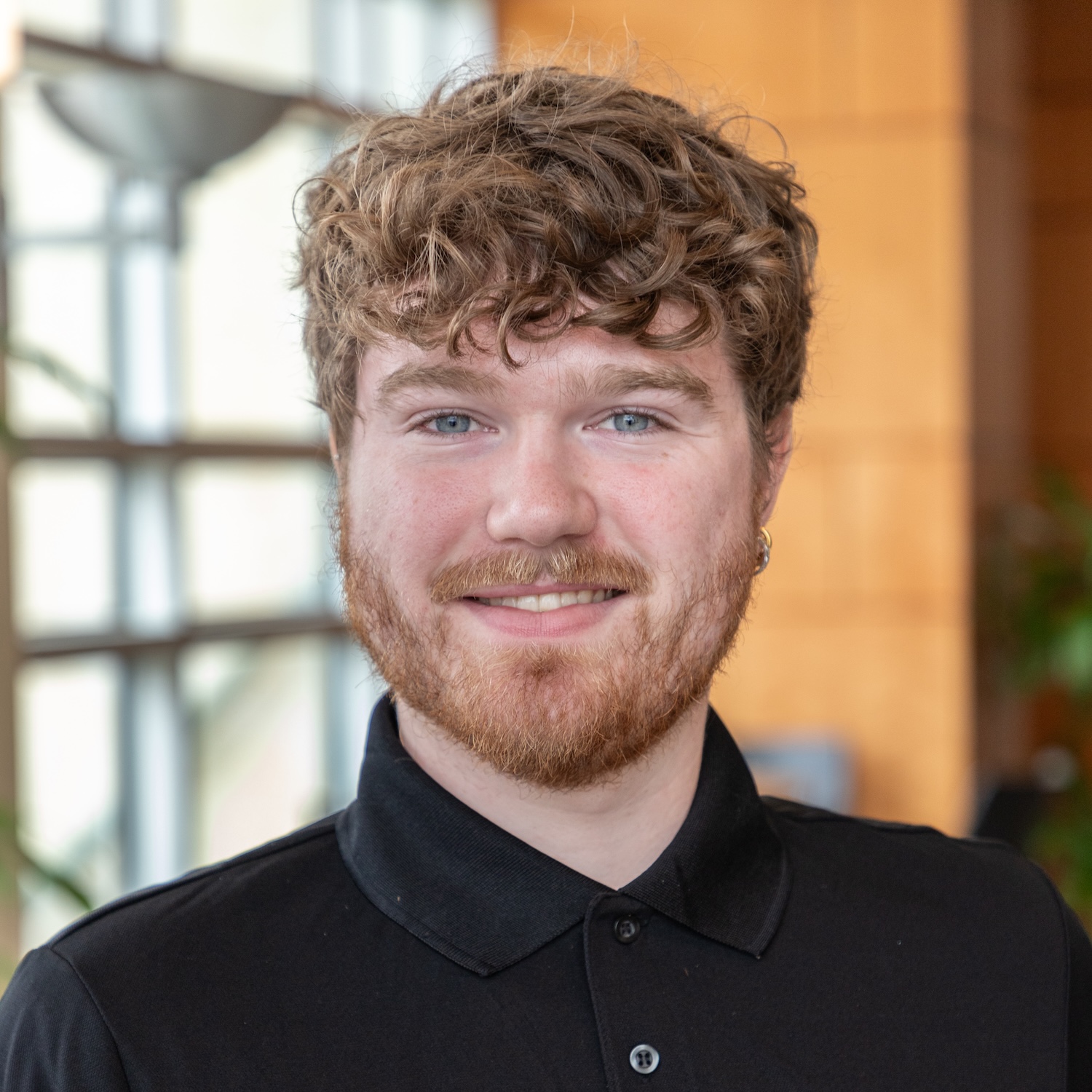
Patrick Curran
Patrick's research tests the capabilities and functionality of solar power integrated canopy structures built using decomishioned wind turbine blades as a structure support. The main focus of Patrick's research will be to create a definitive outlook on the built solar structures temperature decreasing properties, the energy it can produce, and usefulness to population centers. Such structures built in parks and along sidewalks will allow for greater population usage of areas often deemed too hot to use. Additionally, they will provide relief to visitors and tourists in the metropolitan area of Houston while decreasing the urban heat island effect. Patrick aims to utilize decomished wind turbine blades, as the repurposing of wastes produced by renewable energy sources is the next step to the continued use of renewable energy. By analyzing the benefits of decomished wind turbine blades in the solar intregrated structures Patrick can further their use in other areas of engineering.
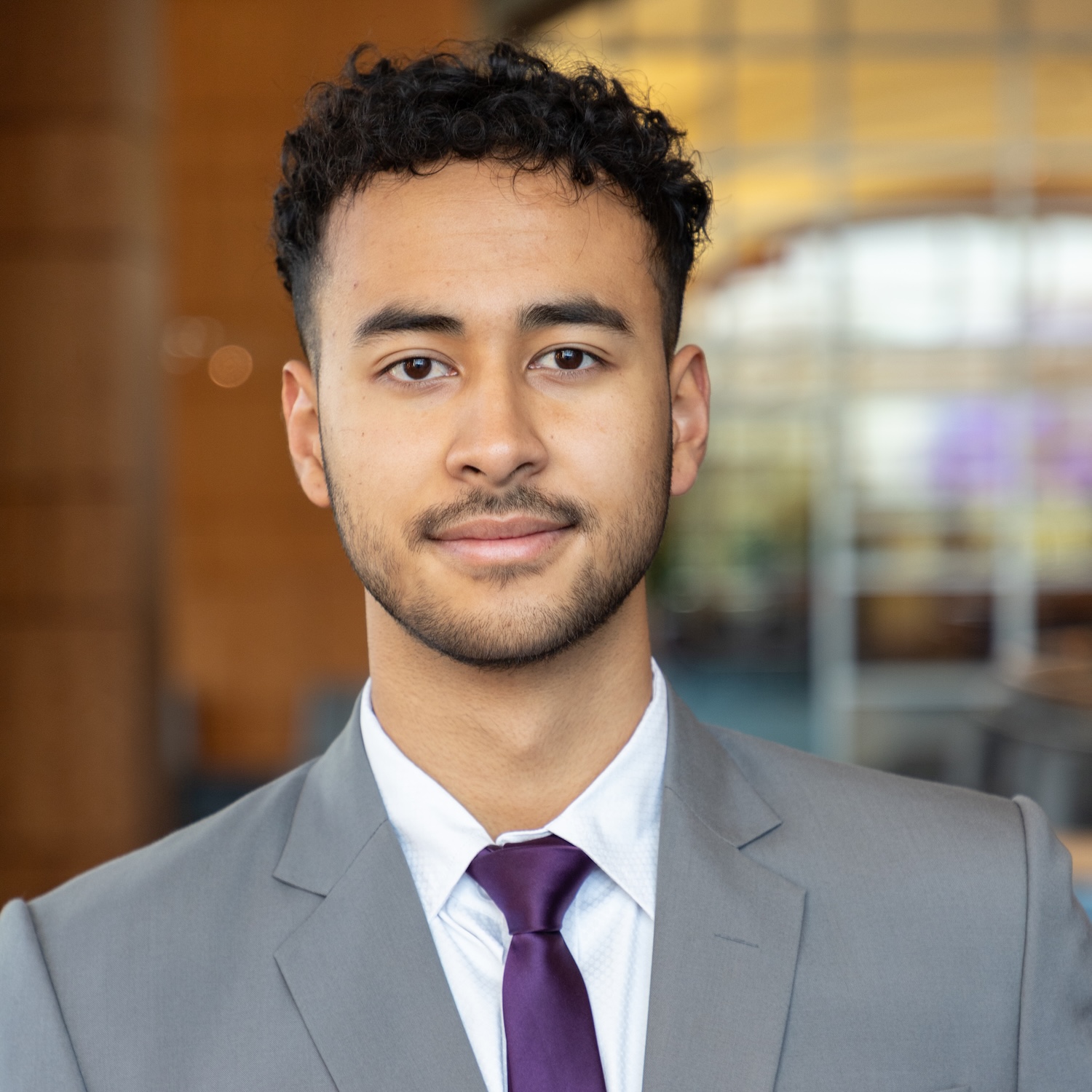
Abiral Dangol
Offshore platforms are essential to global energy production, supporting both traditional oil and gas extraction and the growing offshore wind industry. These platforms rely on stable foundations, yet nearly 30% of their failures are linked to anchorage or foundation problems. While structural health monitoring is well established for the upper platform, the foundation itself is rarely monitored. Abiral’s research targets this gap by developing a stress-based monitoring system to detect early anchorage debonding in offshore foundations. Using piezoceramic (PZT) sensors, he plans to examine stress-wave behavior to identify deterioration at the anchorage–concrete interface. Building on this model, he aims to engineer a monitoring device that can be retrofitted onto in-service offshore platforms as well as integrated into new projects, improving the safety and long-term reliability of offshore energy infrastructure.
Khue Dao
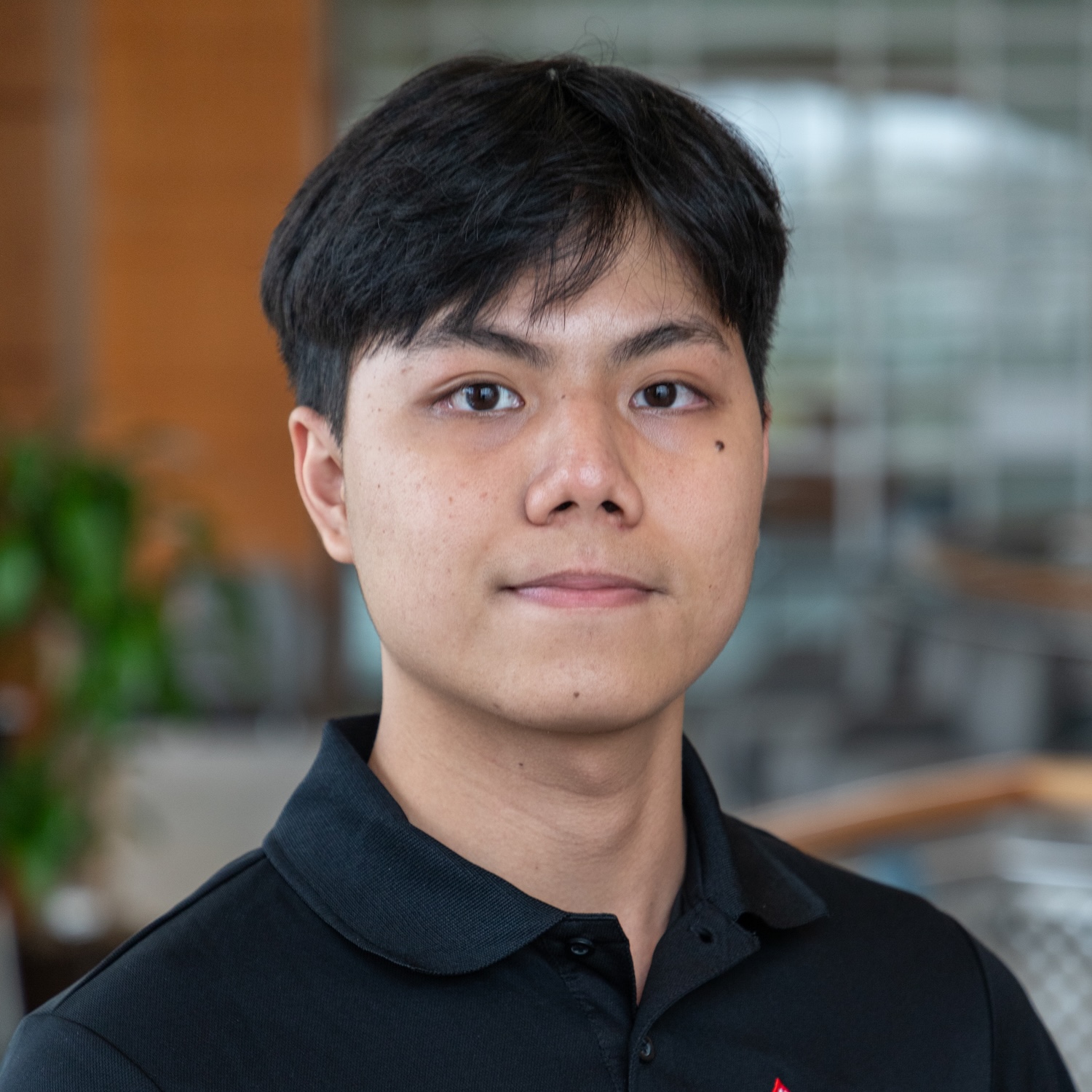
Industrial byproducts, such as coal combustion residuals (CCR) or concrete waste (from construction and demolition), could severely contaminate the water and soil if not properly disposed of. Khue’s current research explores the feasibility of replacing a portion of cement used in non-structural concrete (e.g., gravity blocks and traffic separation barriers) with recycled CCR and concrete fines. This in turn decreases the demand for cement production, which is also a major source of carbon dioxide (CO2) emissions. Moreover, the CO2 generated by cement production can be utilized to further enhance this concrete through the process of carbonation. By recycling industrial byproducts to capture and reduce CO2 emissions, Khue's research aims to contribute to the efforts of protecting the environment and mitigating climate change.
Riya Deshmane
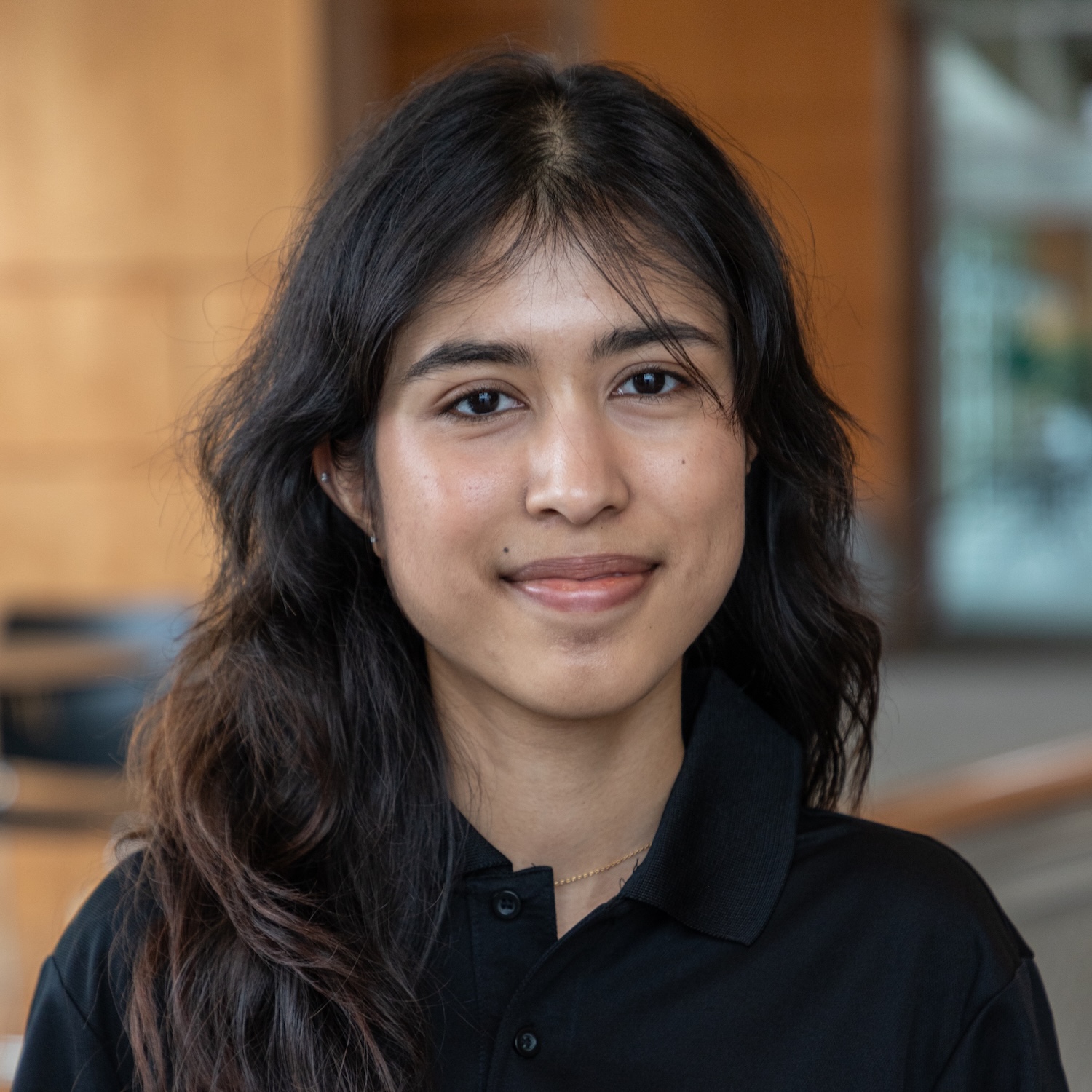
Riya’s research investigates how large language models can improve recognition of worker capabilities during the clean energy transition. As energy systems move toward lower-carbon technologies, many workers possess expertise that is not fully recognized by job titles or occupational labels. She seeks to analyze whether LLMs can reveal competencies that traditional systems overlook by comparing model-generated skill inferences with employer requirements and training materials. This work evaluates the feasibility of AI-supported career transitions and how these tools enhance workforce understanding. The results will strengthen talent recognition, support mobility pathways, and reduce the risk of skilled workers being overlooked as the energy landscape evolves.
Rafia Hashmi
Tiffany Lindsay
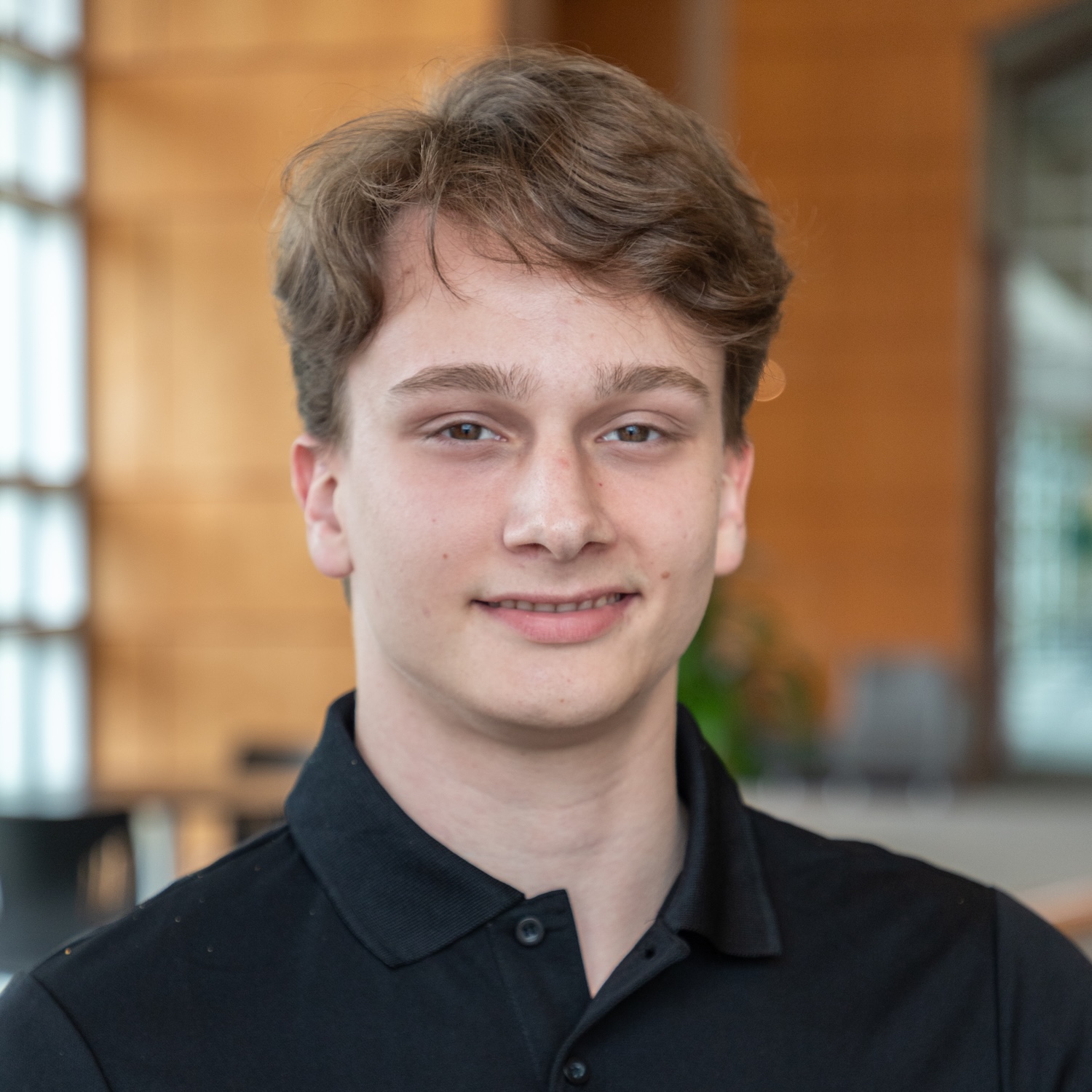
William Myers
OLEDs are a powerful technology in modern electronic displays. Despite their ubiquity, consumer OLEDs, especially those that emit blue light, are inefficient and unstable. This inefficiency is largely due to the emissive material within the OLED devices, which is a class of iridium-centered coordination complexes. William's project will explore new classes of iridium coordination compounds through unique three-component addition reactions. These reactions will form new metalloheterocyclic structures at iridium, which have the potential to improve energy efficiency in the emissive material.
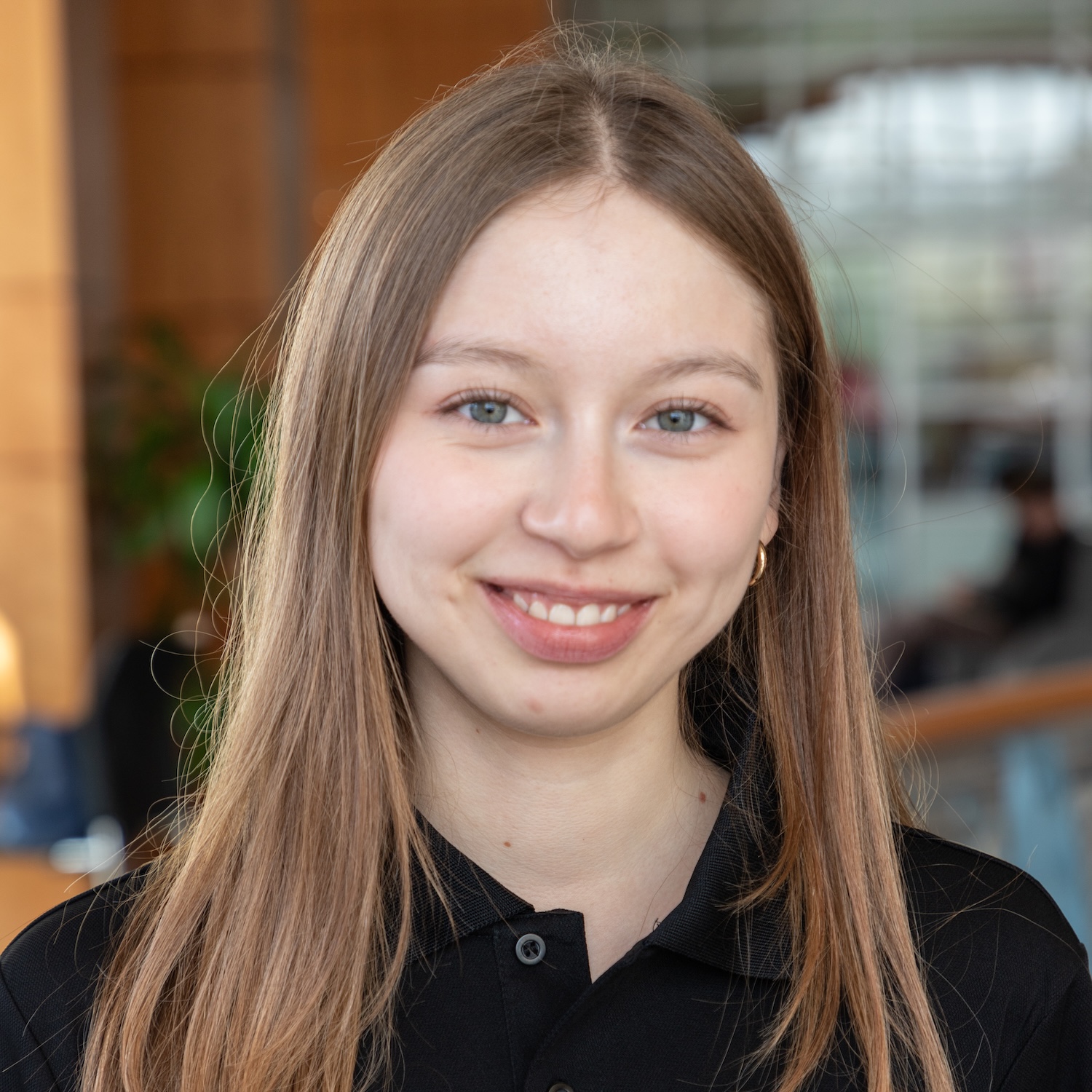
Francisca Neito Tolentino
Francisca’s research focuses on developing an electrically driven approach for direct air carbon capture (DAC), using joule heating to meet the regeneration temperatures of the sorbent materials. In this project, electric heat is directly delivered to the sorbent material, enabling high energy efficiency and faster temperature swing cycles. Furthermore, this technology has an ease to pair with renewable energy resources, presenting a carbon-neutral alternative for releasing the captured CO2. Currently, she focuses on material design strategies and reactor configurations that provide fast thermal cycling, enhanced heat transfer, and scalable electrification. This work aims to advance DAC technologies that can operate sustainably using renewable electricity, contributing to efficient and decarbonized carbon-removal systems.
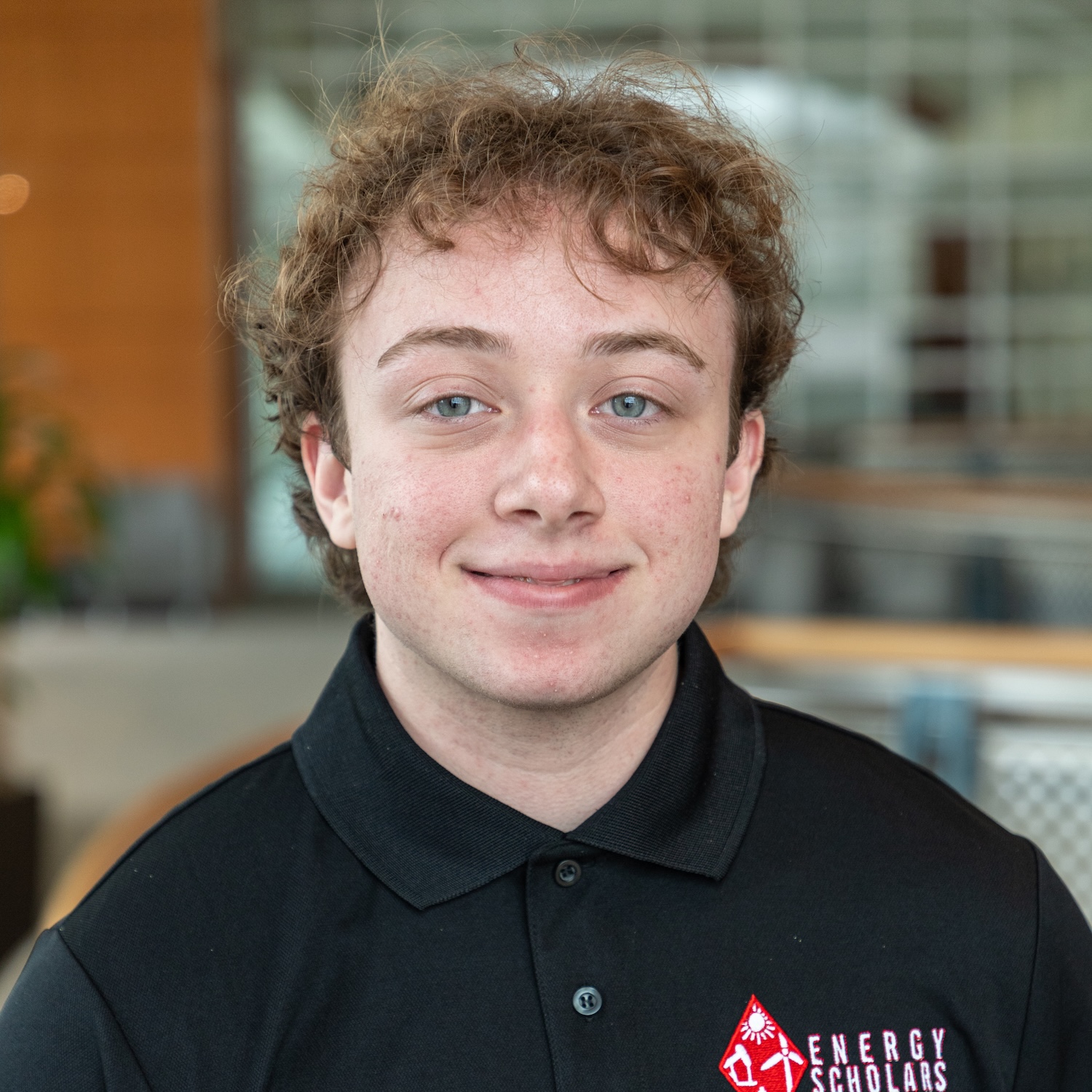
Sean Petry
Sean's research focuses on applying synthetic biology techniques to design microorganisms that can convert wasteful atmospheric hydrocarbons into biofuels and other valuable chemicals, improving the efficiency by which fossil fuels are recovered, processed, and utilized. Specifically, his work centers on designing regulatory protein-based biosensors in E. coli. In doing this, his work will further the knowledge surrounding microbial system engineering in the context of environmental health.
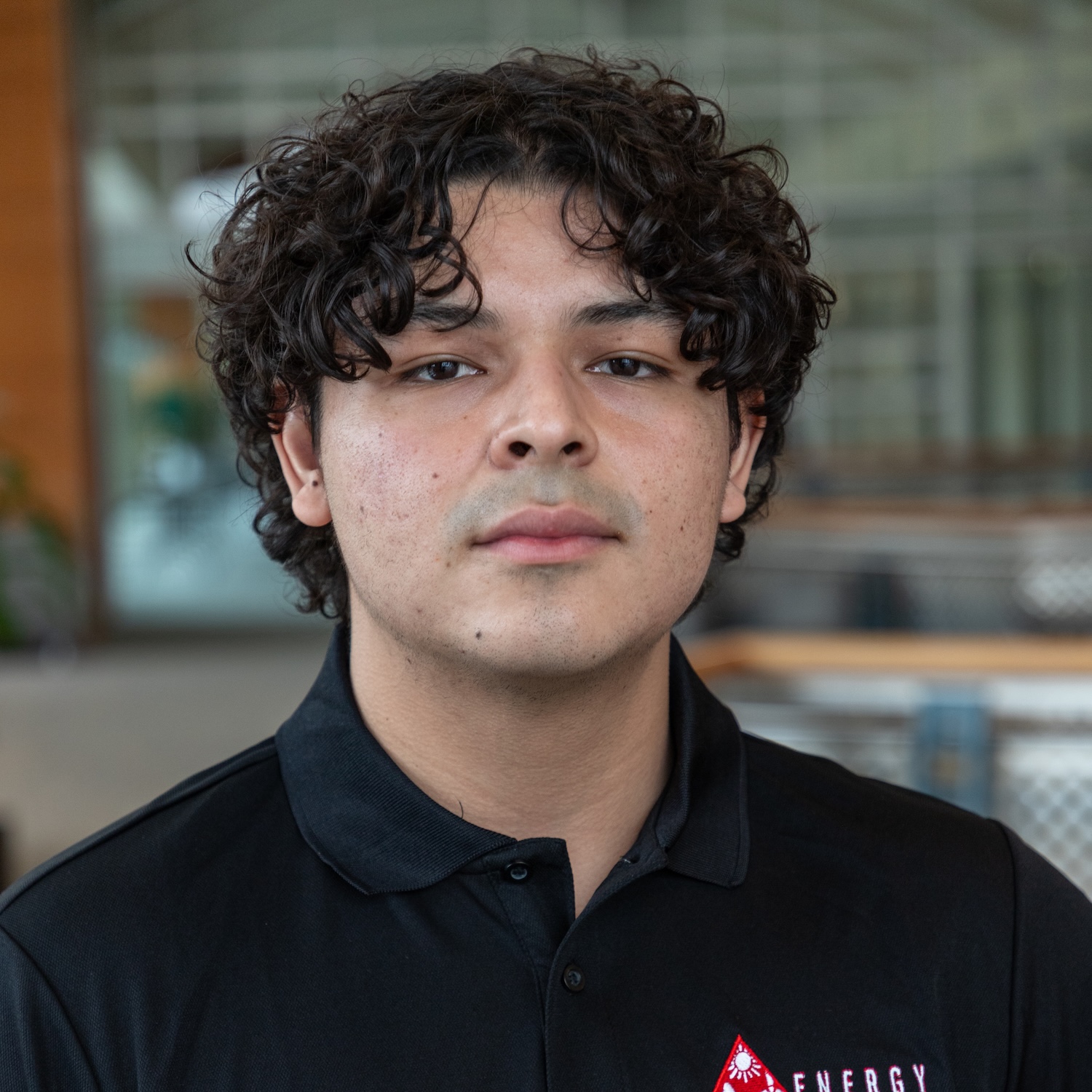
Diego Sierra
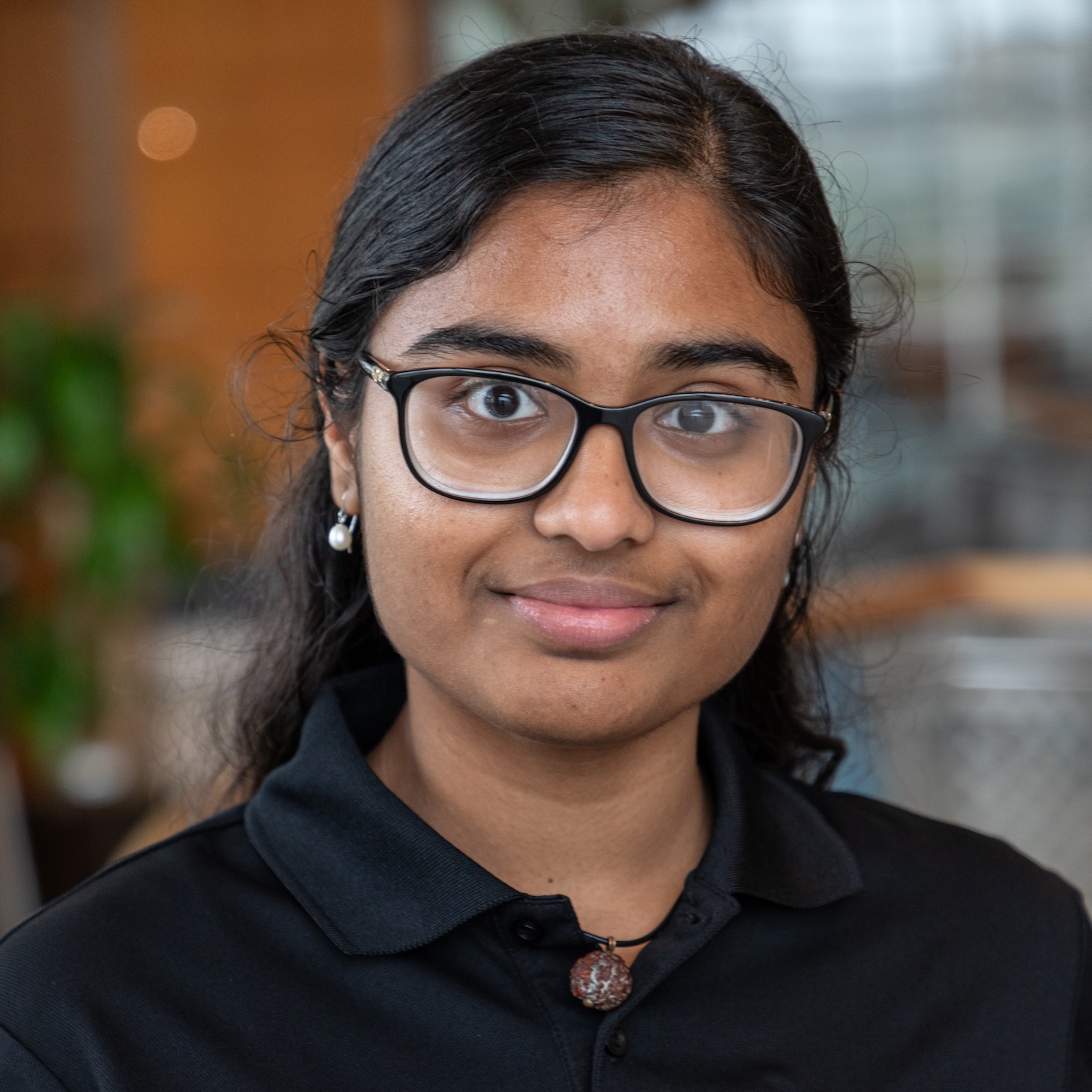
Komanthi Sivakumar
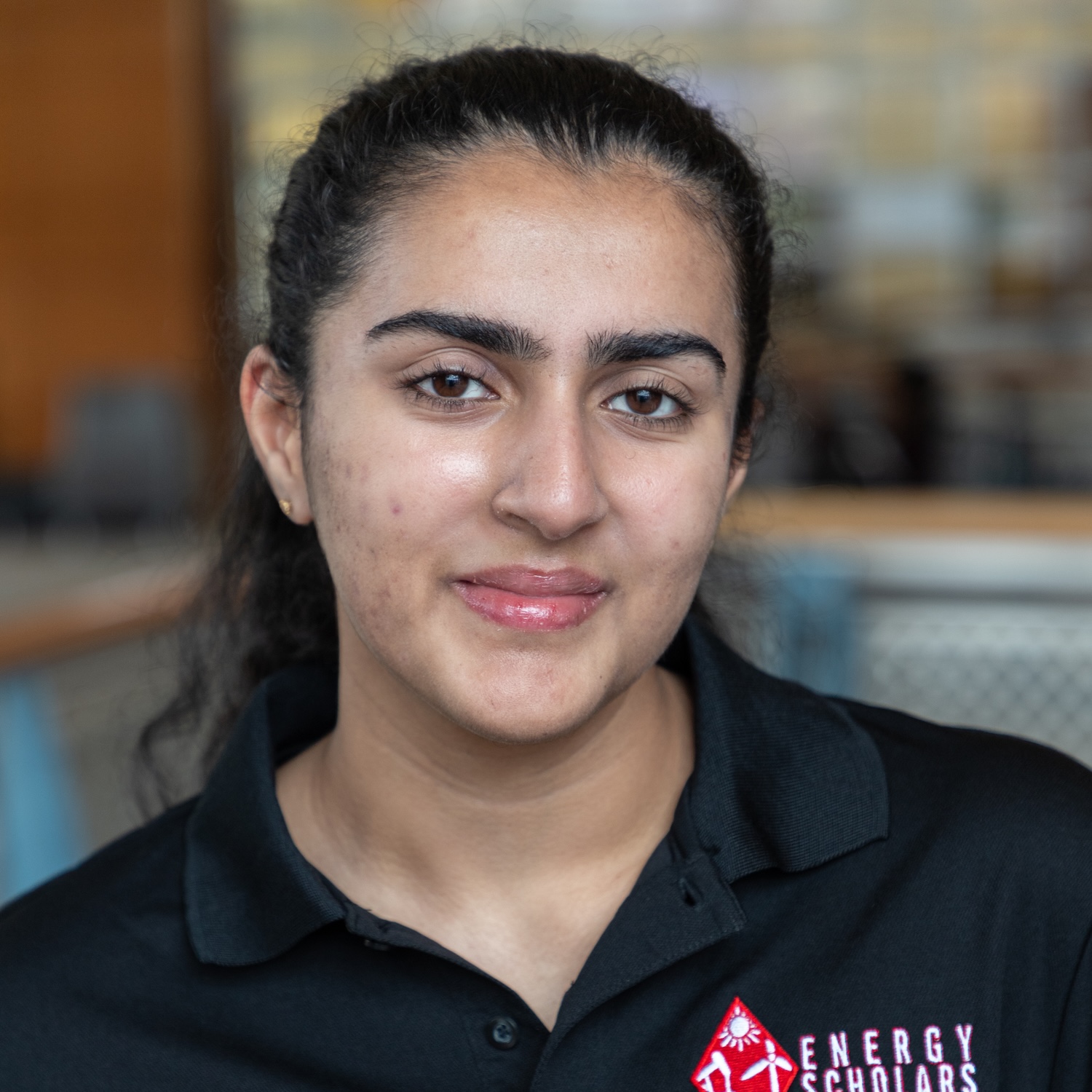
Jaswand Siwani
Jaswand's research surrounds investigating passive cooling as a critical, low-energy alternative to mechanical systems, focusing on its adoption barriers in Houston. Herresearch will analyze the global applicability of these techniques, which are informed by her background in hot-arid climates, to Houston's specific social, economic, and technical context. The goal is to determine how architecture can modestly use energy while shaping user habits, ultimately informing future policy and design to guide the city toward a less energy-intensive, post-oil identity and embed these principles into Jaswand's own work.
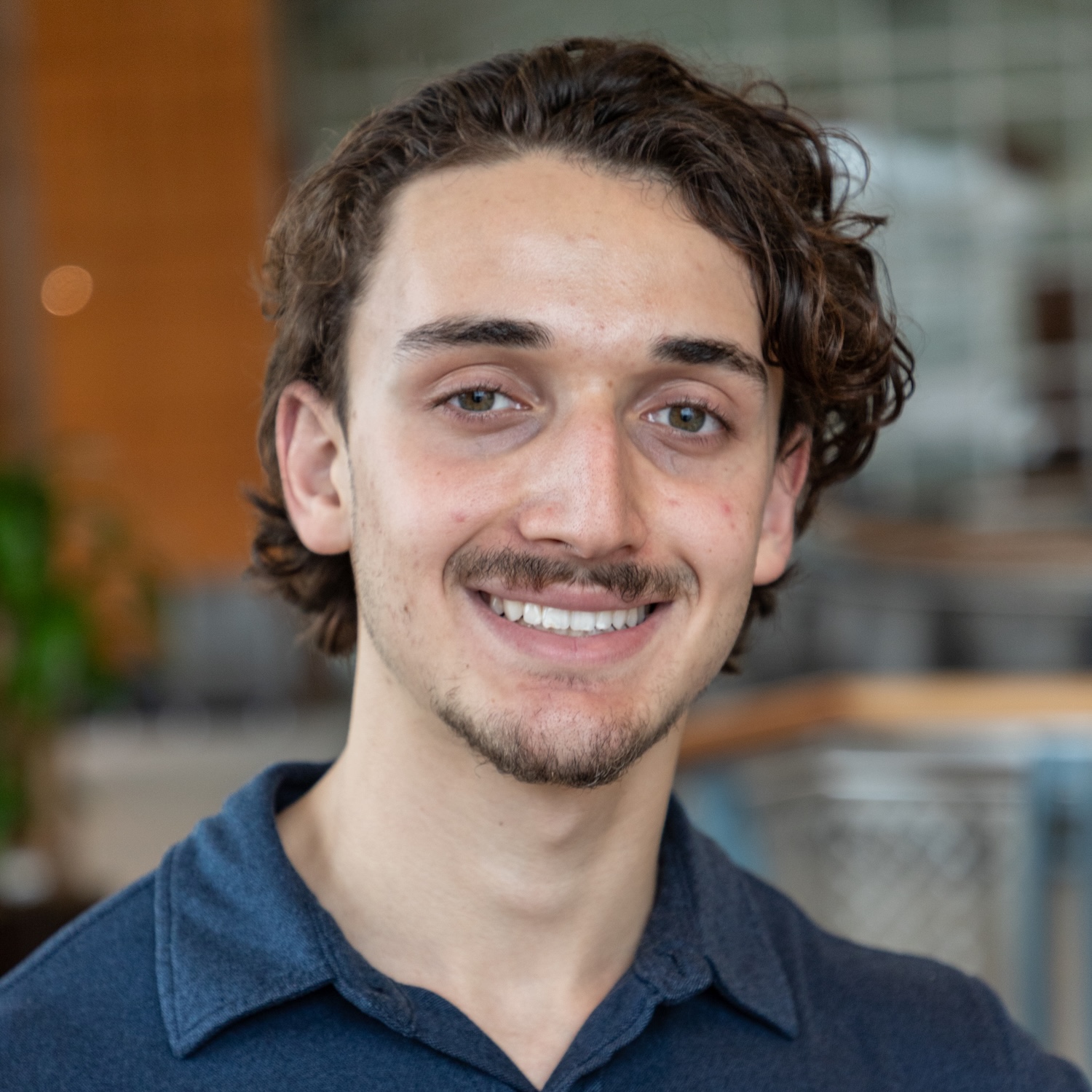
Ariel Vilentchouk
Ariel’s project focuses on strengthening sustainability of Houston’s power distribution networks, a challenge deeply connected to civil engineering. Rapid urban growth and Gulf Coast weather risks demand innovative infrastructure solutions. The study explores three strategies: conservation (efficient appliances, lighting, behavioral changes), redundancy (backup systems, microgrids, distributed generation), and hardening infrastructure (underground lines, upgrades, vegetation management). The research approach is based on data collection, GIS mapping, vulnerability analysis, and scenario modeling—to evaluate resilience. Expected outcomes include improved reliability, minimized disruptions in power outages, and policy recommendations. The project highlights civil engineering’s vital role in designing sustainable, adaptable urban energy systems.