The motion of the ocean may be the key to removing carbon dioxide from the atmosphere, so University of Houston researchers set out to determine which U.S. coastlines are best suited for the process in a new study.
Spoiler alert: The Gulf Coast may be the top contender, which could boost coastal economies through jobs tied to building and maintaining a new carbon removal system that uses seawater.
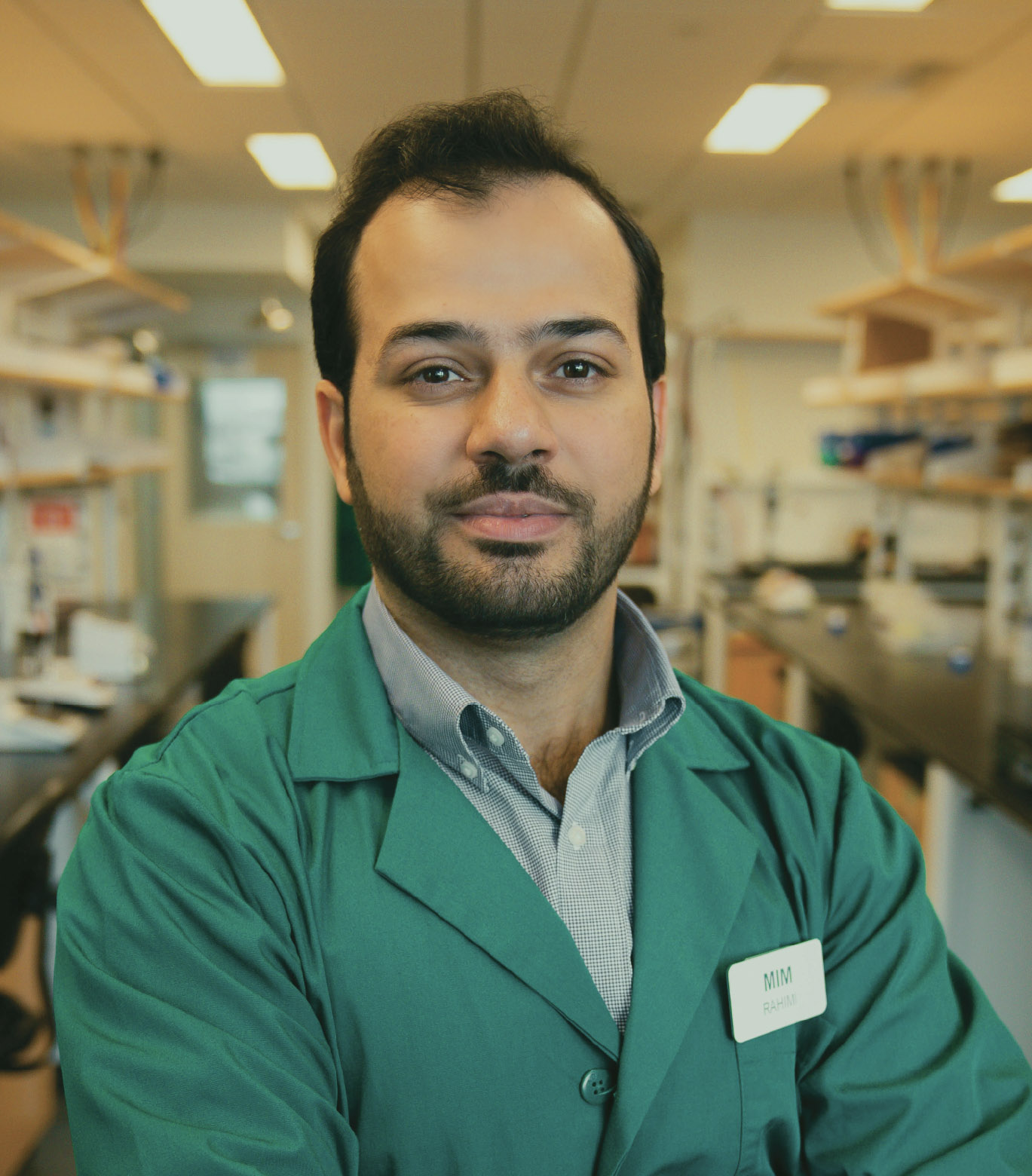
The study, published in Nature’s Communications Sustainability journal and led by UH Cullen College of Engineering Professor Mim Rahimi, aimed to develop a plan of implementation of this new technology.
“The question we had wasn’t technical, rather it was logistical in regard to implementation down the road,” Rahimi said. “This would be a roadmap if a company or the government wants to utilize this technology.”
All Along the Tidewater
The technology is called electrochemical marine carbon dioxide removal (e-mCDR), which treats seawater in a way that increases the ocean’s ability to absorb and store carbon dioxide from the air.
As it stands, oceans already absorb approximately 30% of human-produced carbon dioxide emissions each year, according to the study, which makes them an attractive resource for carbon removal efforts.
That’s where identifying the best locations comes into play.
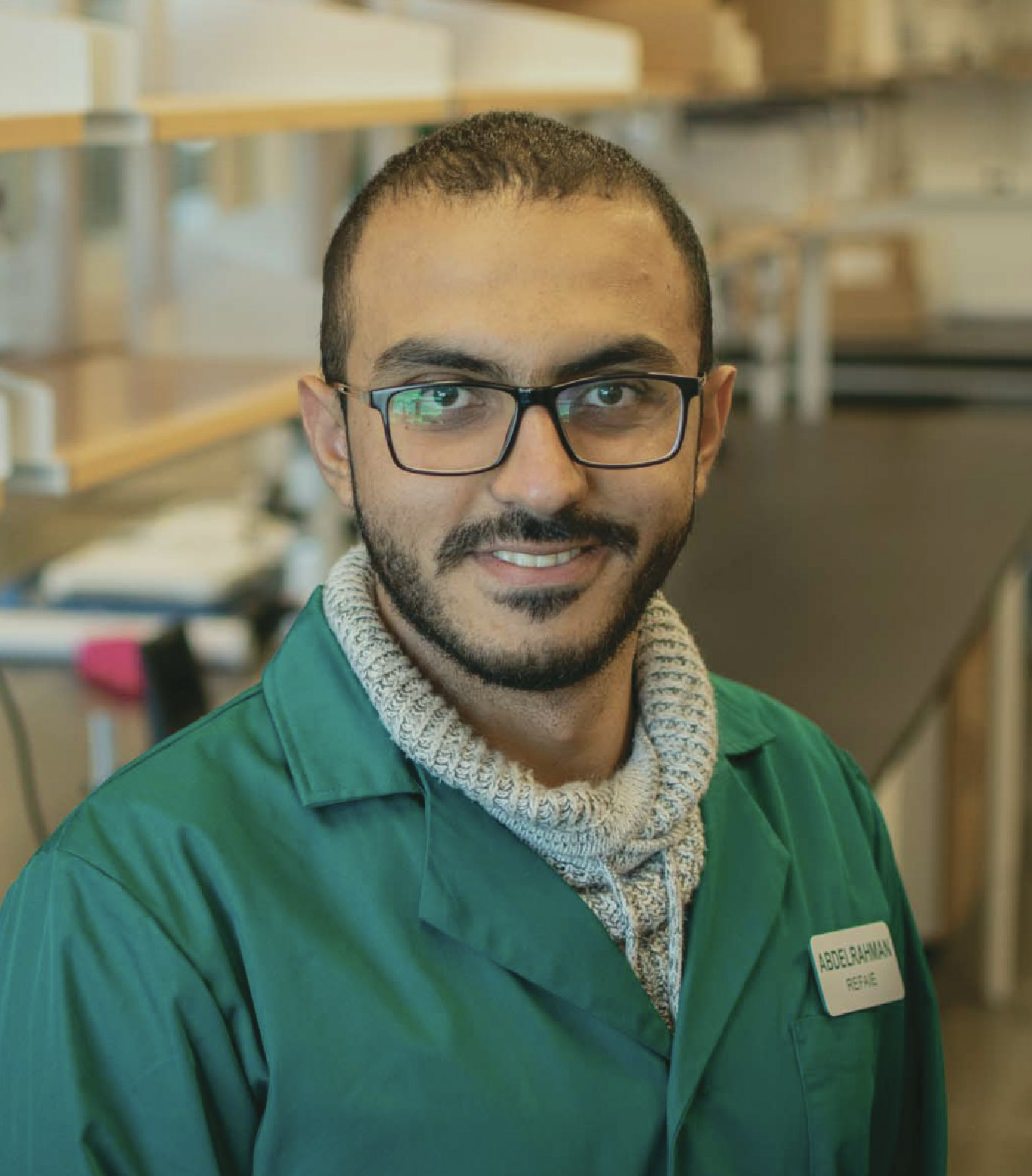
“We analyzed 38 coastal facilities across the U.S., including power plants, desalination plants, and liquefied natural gas (LNG) terminals,” said Abdelrahman Refaie, a Ph.D. who authored the paper. “These sites were grouped into regional hubs: Northeast, Southeast, South, West and Northwest.”
Rank and File
Rahimi’s team found the South hub — which includes the Gulf Coast along Texas and Louisiana — ranked the highest overall thanks to the region’s benefits from relatively affordable electricity, extensive industrial infrastructure and strong hydrogen transportation and storage networks.
The study also found that the West and Northeast hubs scored high as well, but for different reasons. California’s coastal facilities stood out for their large seawater intake and cleaner energy mix, while the Northeast performed well thanks to its carbon removal potential.
“The South hub has one of the highest diversity factors between power plants, desalination and LNG,” Refaie said. “That means if, logistically, down the road LNG is not open for this implementation, then we have another option in the area. It reduces the risk factor.”
Looking ahead
Rahimi’s next goal is to increase awareness of the technology and where it could work best, he said. In March, he visited with members of Congress to discuss ocean-based carbon dioxide removal research and its developments.
“I talked about how we could be the leader in terms of R&D and implementation in the U.S.,” he said. “Different offices recognize the need to reduce CO2 emissions, and there is growing awareness that the ocean could play an important role in that conversation.”
Rahimi said UH being located along the Gulf Coast means there’s an opportunity for UH, as The Energy University, to be part of this implementation.
“We’re leveraging on the technology development that we’re doing in the lab. That was basically the core foundation,” Rahimi said. “We’re also located in the hub with the highest performance and logistical metrics. This would be an effective part of that implementation eventually.”
Par for the Course
This work continues to build on the UH’s broader leadership in addressing energy infrastructure and workforce needs.
Most recently, the Gulf Offshore Research Institute and its partners, including UH, was awarded $20 million through the Gulf Futures Challenge to advance an initiative that will transform inactive offshore platforms into productive hubs for advanced energy technologies, mineral recovery and aquaculture.
In August, Ganesh Thakur, director of UH Energy industrial Partnerships, and George Wong, graduate studies director at the Cullen College, received $1.1 million from the Ocean Energy Safety Institute to advance deepwater production innovation.
UH also partnered with the Urban Enrichment Institute and the Houston Health Department on a $560,000 grant to prepare the next generation of energy workers.
And in January, the University received a $1 million gift from Peggy and Chris Seaver to establish the Peggy and Chris Seaver Endowed Aspire Professorship, which aims to expand the University’s leadership in addressing global energy challenge. The gift will also strengthen UH Energy, the university’s signature energy initiative.