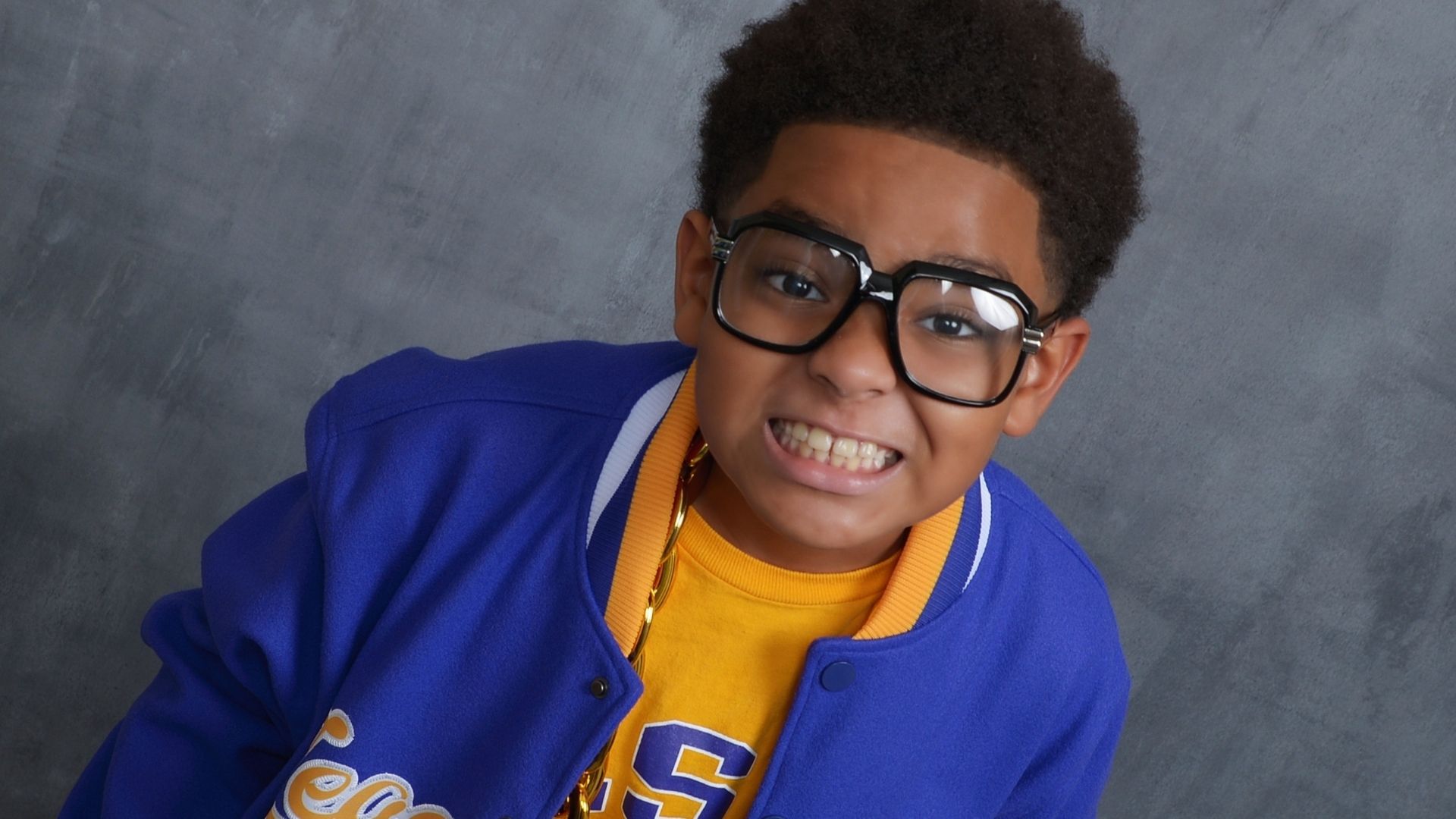
 For Rebecca Briscoe, finding support for her son, Foley Jr., meant finding a healthcare
team that took the time to understand his needs, listen to his family and provide
guidance every step of the way.
For Rebecca Briscoe, finding support for her son, Foley Jr., meant finding a healthcare
team that took the time to understand his needs, listen to his family and provide
guidance every step of the way.
When Foley Jr. transitioned from pre-kindergarten to kindergarten, Briscoe began receiving calls from his school about behaviors that raised concerns. Wanting to better understand his needs and identify ways to support him, she turned to the UH Health Family Care Center.
"My son was having a hard time adjusting from pre-K to kindergarten," Briscoe said. "I began receiving calls from his school about behaviors we had never observed at home, and it became clear that he needed support navigating this transition."
The recommendation came from Briscoe's sister, a speech pathologist, certified behavior specialist and University of Houston alumna. She encouraged the family to seek care at the UH Health Family Care Center because of its comprehensive approach to supporting children and families.
"She reassured me that he would receive a truly comprehensive level of care, one that supports the whole child physically, emotionally and mentally," Briscoe said. "That community-centered approach is what made me decide to seek medical assistance for him."
The UH Health Family Care Center provides comprehensive healthcare services for patients of all ages, including primary care, pediatric services and behavioral health support. Faculty members from the University of Houston's Tilman J. Fertitta Family College of Medicine serve as providers at the center, bringing their expertise in patient care while educating and mentoring future physicians.
Through its team-based approach, the center brings together providers from multiple disciplines to address patients' medical, behavioral and social needs.
"A child's health is influenced by much more than what happens during a clinic visit," said Mohamed Zebda, D.O., M.P.H., pediatrician at the UH Health Family Care Center. "A child's family, school, community, nutrition, mental health and social environment all play an important role in growth and development. Taking a whole-child approach allows us to better understand these factors, including non-medical drivers of health, so we can provide care that supports not only a child's physical health, but also their emotional, developmental and long-term well-being."
At the UH Health Family Care Center, Foley Jr. received both medical and behavioral health services through a collaborative care team. Zebda carefully monitored his development over time, while David Curtis, Ph.D., chief behavioral health officer and psychologist at the UH Health Family Care Center, partnered with Briscoe and her husband, Foley Sr., to develop strategies that could be used both at home and in the school setting.
To better understand the factors contributing to Foley Jr.'s behaviors, the care team completed a Functional Behavior Assessment. The assessment provided insight into his experiences and helped his family advocate for the support he needed.
"That assessment provided the qualitative insight needed to advocate for him at school," Briscoe said. "It revealed that his challenges were not rooted in anything 'wrong' with him, but rather in environments that were not engaging, supportive or conducive to his learning style."
Zebda said collaboration among providers allows families to receive coordinated care that addresses more than a child's physical health.
"Children and families often benefit most when healthcare professionals work together," Zebda said. "At the UH Health Family Care Center, our team-based approach brings together pediatricians, family physicians and child psychologists to provide coordinated, comprehensive care. By collaborating closely, we can address medical, behavioral, developmental and social needs in one supportive environment."
The coordinated approach helped Briscoe's family better understand Foley Jr.'s needs and identify strategies that supported him across every part of his life.
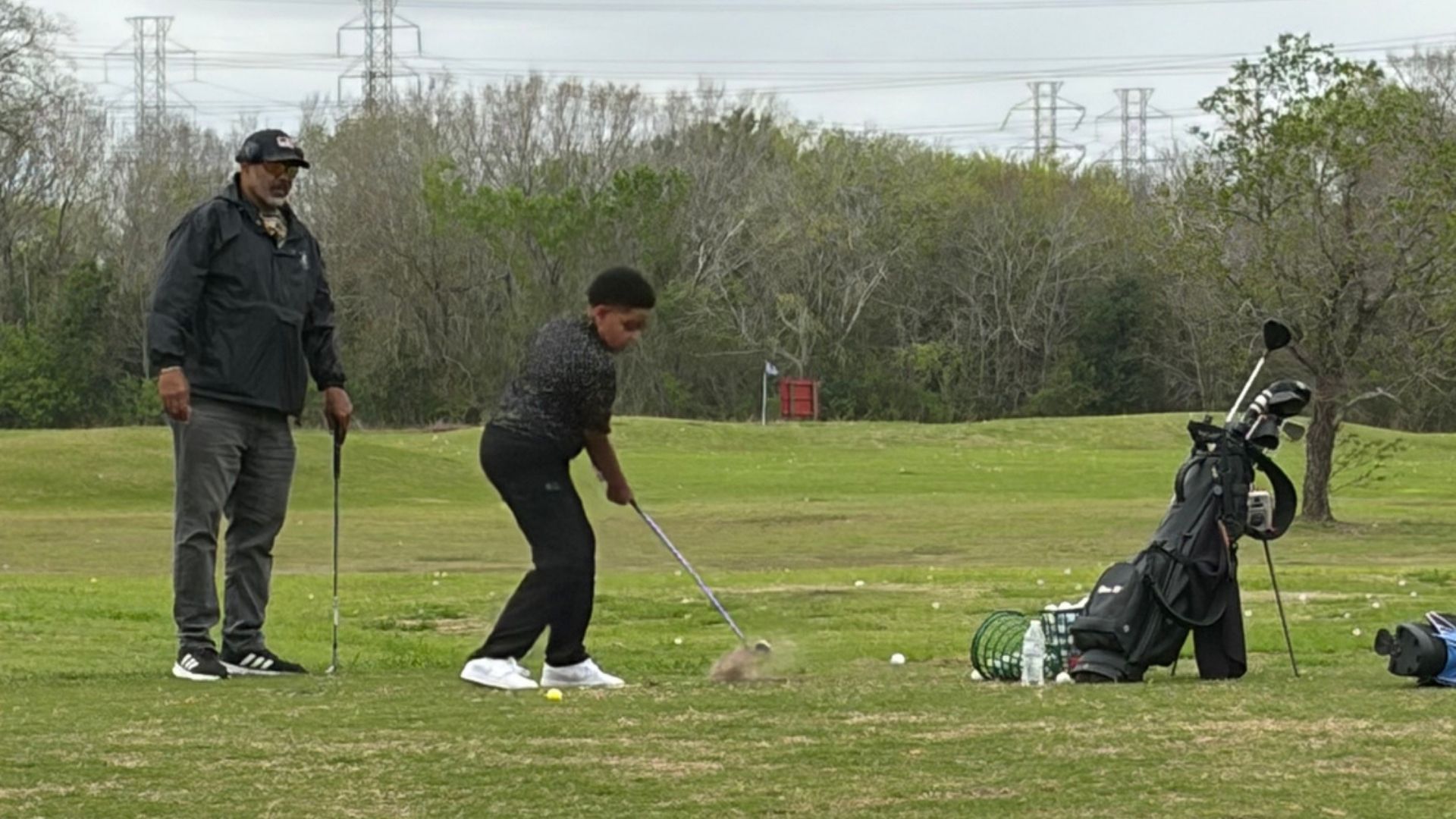 "Their guidance has made us more intentional parents," Briscoe said. "We now take
the time to actively listen before responding, and we use the tools they've shared
to support Foley across all settings: home, school and even sports."
"Their guidance has made us more intentional parents," Briscoe said. "We now take
the time to actively listen before responding, and we use the tools they've shared
to support Foley across all settings: home, school and even sports."
Those strategies have helped Foley Jr. develop confidence beyond the classroom. Briscoe said his competitive nature sometimes led to frustration during extracurricular activities, but he has learned to use the skills he developed through his care team to better manage those moments.
"When he misses a goal or a layup, he now uses the strategies he's learned to self-regulate and rejoin the game with minimal disruption," Briscoe said. "He has also begun encouraging his teammates on his own, offering compliments and forming genuine connections rather than transactional interactions."
For Briscoe, the impact of the UH Health Family Care Center extends beyond appointments.
"I deeply appreciate how the UH Health Family Care Center medical team has rallied behind my child, and behind his father and me, especially during moments when we faced overwhelming challenges with the school system," Briscoe said. "Their commitment has made a meaningful difference in our lives, and we are grateful for the community of care they have built around our son."
From her first visit, Briscoe was impressed by the clinic's ability to provide comprehensive services in one location.
"I couldn't believe my son could receive all the care he needed in one place," Briscoe said. "The fact that the clinic is located right on campus made an immediate impact on him. It allowed him to stay excited about college, and it gave him the chance to see firsthand how medical students listen, learn and thoughtfully engage with families."
Over time, that first impression grew into a deeper appreciation.
"I've come to appreciate that UH Health Family Care Center is not just a clinic. It is a teaching community committed to developing the next generation of clinicians who understand whole-child, whole-family and whole-community care," Briscoe said. "The environment feels supportive, intentional and rooted in compassion. Watching student doctors grow while contributing meaningfully to my son's care has been inspiring, and it has reinforced my trust in the program. What began as admiration has grown into gratitude."
Briscoe said she would recommend the UH Health Family Care Center to other families because of the care and compassion shown by every member of the team.
"I would absolutely recommend the UH Health Family Care Center," she said. "They are truly living out a mission of care and compassion. From the very beginning, they took the time to get to know our family, not just our medical concerns, but who we are as people. You never feel like a number or like they are rushing from one patient to the next."
She also praised the clinic's staff for creating a welcoming environment.
"I deeply appreciate how the front office staff is just as professional, warm and supportive as the medical team," Briscoe said. "Everyone works together to create an environment where families feel seen, heard and valued."
Through her family's experience, Briscoe hopes other parents feel empowered to seek support and advocate for their children.
"Parents should never feel afraid to seek treatment or to advocate for their child," Briscoe said. "With the support and guidance of the UH Health Family Care Center, we have grown into stronger, more confident parents and more effective advocates for our son both inside and outside of the classroom."
Zebda encourages parents to trust their instincts if they notice changes in their child's well-being.
"Each parent knows their child best," Zebda said. "If something doesn't seem right, whether it's a change in behavior, learning, mood, sleep or development, schedule an appointment with your child's pediatrician. Early conversations often lead to earlier support, and early intervention can make a meaningful difference in a child's future."
For the Briscoe family, what began as a search for answers became a journey of partnership, growth and advocacy. Through coordinated care and a team committed to supporting the whole child, Foley Jr. and his family found the tools and encouragement to help him thrive at home, at school and beyond.