The Humana Integrated Health Systems Sciences Institute’s SHERP High School Scholars Program is giving Houston-area high school students an early look at the many career paths available in healthcare while introducing them to research, clinical experiences and the importance of working across disciplines.
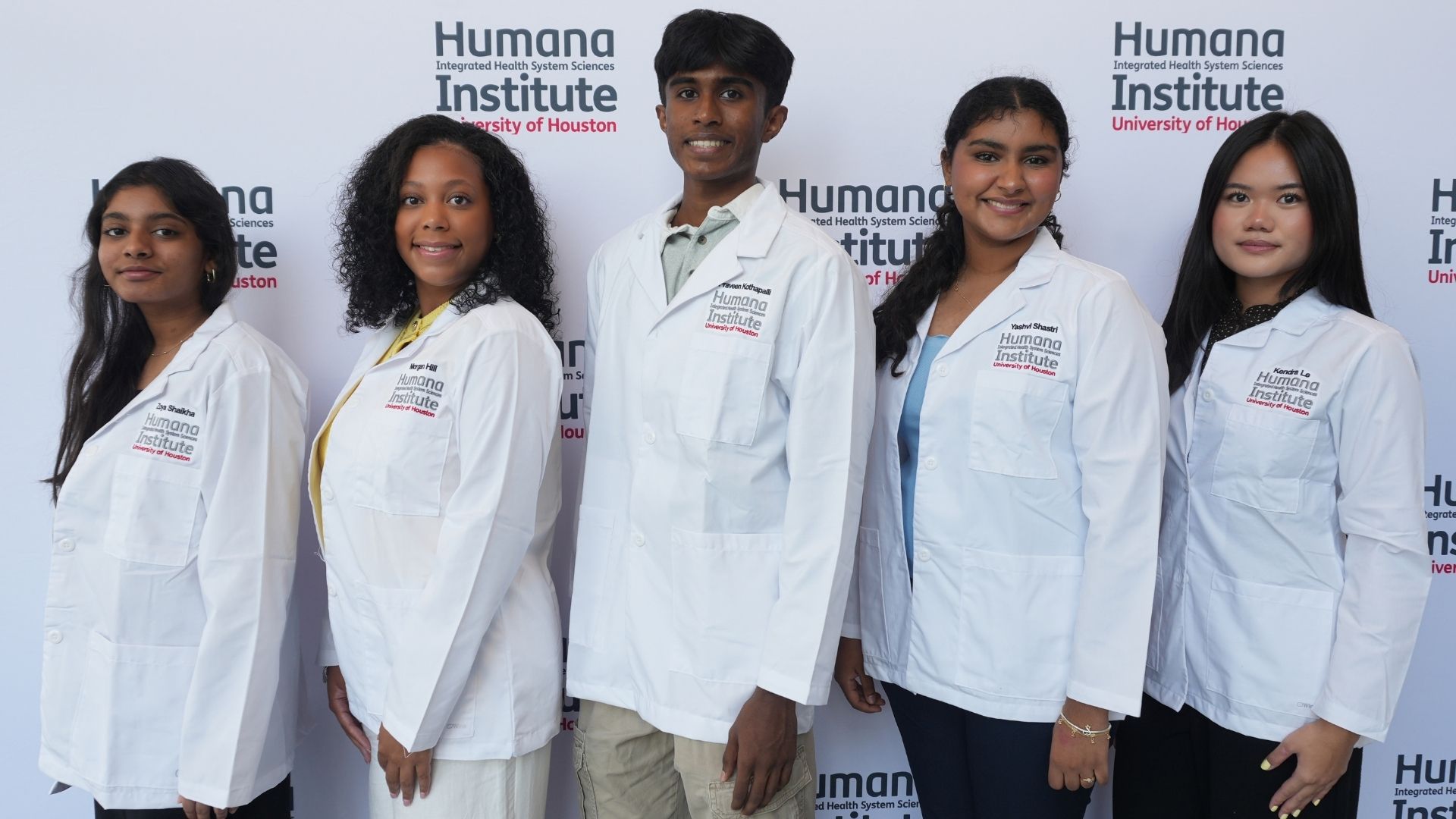 Launched this summer, the inaugural program welcomed eight high school students as
an extension of the University of Houston’s Summer Health Equity Research Program
(SHERP). Developed through a partnership between the Humana Integrated Health Systems
Sciences Institute (Humana) and Texas Southern University, with support from a Health
Resources and Services Administration grant, the program is designed to expose students
to healthcare professions earlier in their educational journey.
Launched this summer, the inaugural program welcomed eight high school students as
an extension of the University of Houston’s Summer Health Equity Research Program
(SHERP). Developed through a partnership between the Humana Integrated Health Systems
Sciences Institute (Humana) and Texas Southern University, with support from a Health
Resources and Services Administration grant, the program is designed to expose students
to healthcare professions earlier in their educational journey.
The program grew from a student’s interest in participating in SHERP and a desire to create an opportunity specifically for high school students. Tawana Cummings, Ph.D., LCSW, LSSGB, program director II for Humana, worked with colleagues and community partners to develop an experience that combined career exploration, research and hands-on learning.
“There are so many disciplines in the healthcare field that students may not have heard about, and the early exposure to those careers can help them with planning for college and their career path,” Cummings said.
Throughout the program, students explored healthcare through multiple perspectives, including medicine, nursing and social work. They participated in clinical shadowing, discussions with healthcare professionals and research activities focused on health disparities, including maternal and infant health.
Students also learned about the different pathways available within healthcare. Cummings said several students expressed an interest in psychiatry, but their experience with a therapist helped them recognize that there are multiple ways to pursue a career in mental health.
Research was an important component of the program. Patrick Dang, an entering third-year optometry student and former graduate assistant with the institute, helped develop the educational components and introduce students to research. Sahar Yazdanfard, Ph.D., also worked with the program to develop research topics and data analysis activities.
For student participant Yashvi Shastri, the research experience broadened her understanding of what healthcare research can involve. Before participating in the program, she primarily associated research with laboratory work. Through the program, she learned how population-level research can be used to identify non-medical drivers of healthand better understand the needs of different communities.
“I began to see how biological and pathological research conducted in the lab can work alongside population and community-based research to better understand disease, identify groups, and apply scientific discoveries in ways that improve health outcomes for larger communities,” Shastri said.
Clinical experiences also helped students connect what they were learning to the people and communities healthcare professionals serve. During a rotation at the UH Andy & Barbara Gessner College of Nursing Health Clinic, Shastri shadowed nurse practitioners and observed how providers adapted care to patients facing different circumstances, including homelessness and financial hardship.
The experience strengthened her interest in community health and health policy and gave her a deeper understanding of the challenges some communities face in accessing care.
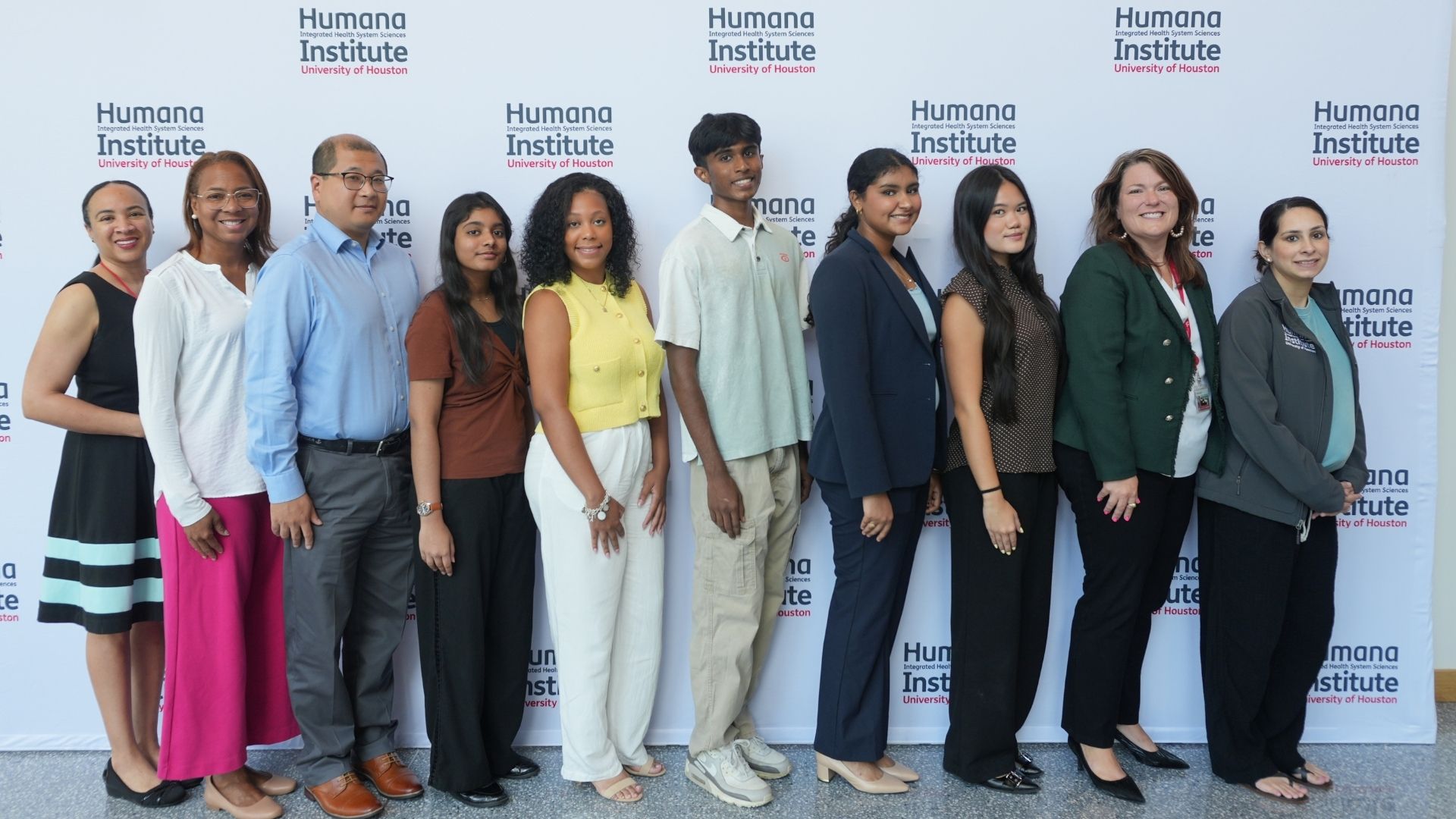 “Participating in SHERP gave me a strong foundation in community health and has shaped
what I hope to pursue in the future,” Shastri said.
“Participating in SHERP gave me a strong foundation in community health and has shaped
what I hope to pursue in the future,” Shastri said.
For Cummings, one of the program’s most important lessons is the value of collaboration across healthcare professions.
“I hope that students learn that if you work together with professionals in other disciplines who share the same interest and passion, that you could possibly make a bigger impact when working to provide services to the underserved population,” Cummings said.
As the program continues, Cummings hopes to expand in-person opportunities and provide students with more one-on-one mentorship. Future programming could include mentorship from nursing, social work, optometry, pharmacy and medical students, giving participants additional opportunities to learn about healthcare careers, educational pathways and Uuniversity expectations.
The inaugural cohort represents the beginning of an initiative focused on helping students explore healthcare earlier, discover careers they may not have considered and understand how research and collaboration can contribute to better health outcomes for communities.