Much of the talk about artificial intelligence has focused on its potential to disrupt society, from health care to the job market. But for students who will inherit those changes, AI presents a different challenge: How to lead in a world where technology can do more than ever?
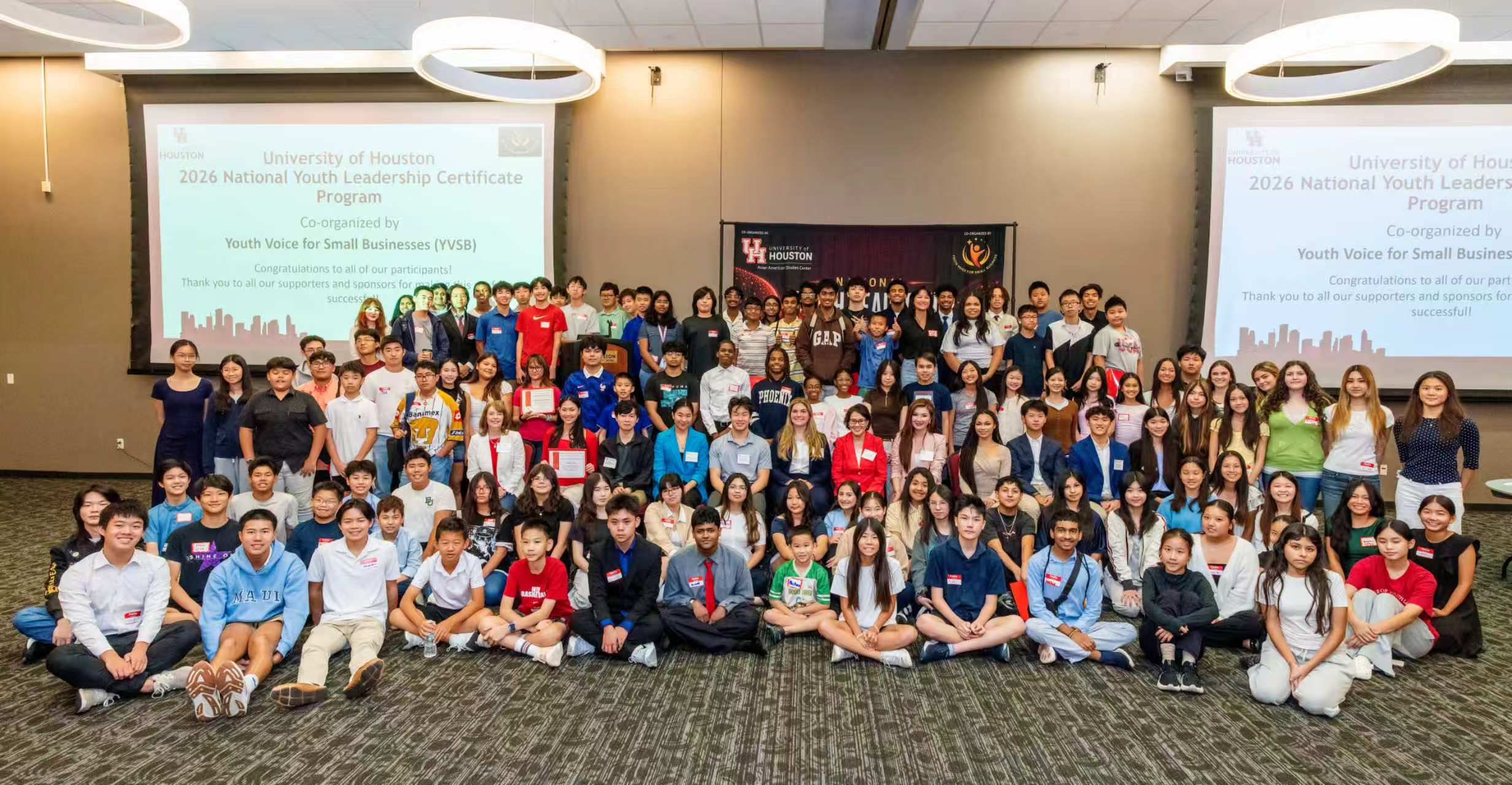
More than 140 middle and high school students took up that question last month at the second annual National Youth Leadership Certificate Program, a daylong conference led by the University of Houston Asian American Studies Center (AASC).
“AI is rapidly changing how young people learn, work, communicate and prepare for their futures,” said Yali Zou, AASC director and University Endowed Professor for Global Leadership Studies in the UH College of Education. “Our goal was not simply to teach students about AI technology but to encourage them to think more deeply about what it means to be a human leader in an AI-driven world.”
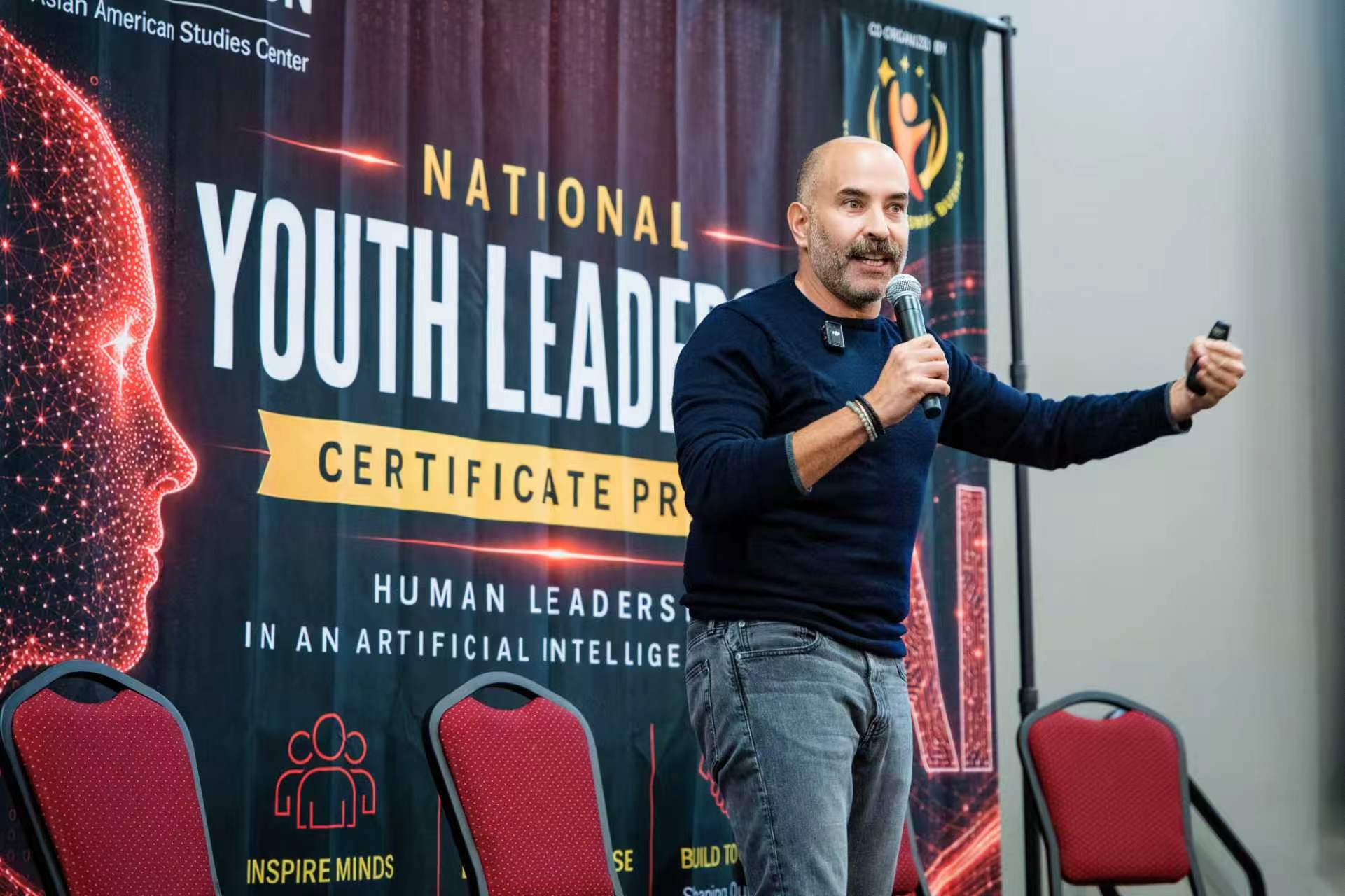
The conference, themed Human Leadership in an Artificial Intelligence World, featured an education executive as the keynote speaker and panel discussions with business leaders and college students from top universities to explore the vital role of critical thinking, creativity, ethical judgment, communication and other human qualities that technology cannot replace. The program was co-organized by Youth Voice for Small Business, and student participants earned a leadership certificate upon completion.
While many adults already in the workforce are concerned that AI will upend the job
market, Zou said young people are curious and excited by the technology. “They tend
to see it not simply as a threat, but also as a powerful opportunity,” she said. “At
the same time, they are asking important questions about how AI will change education,
careers, the workplace and the skills they will need in the future.”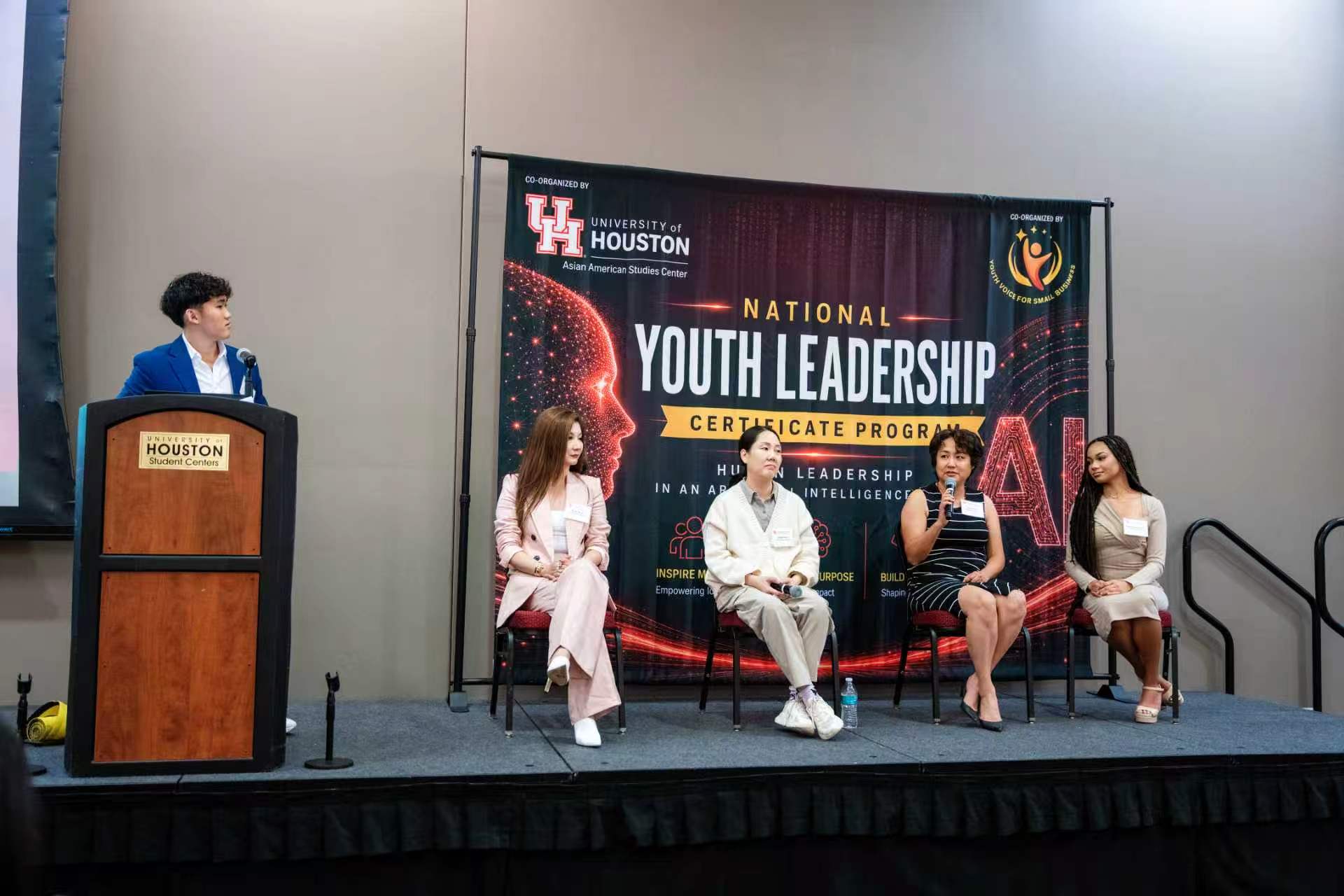
Simon Zhong, president of Youth Voice for Small Business and a senior at St. John’s School in Houston, served as student co-chair of the conference. He approaches AI with both excitement and concern. “I look at it as a more dramatic version of the first computer, the first cell phone,” he said. “We’ve been through really big changes as humans before, but in this case, it’s more exaggerated. The worrying part is, a lot of initial jobs will be harder to get because of AI.”
But as AI technologies take on many tasks previously done by human workers, Zhong said he expects leadership and other human skills will become more important than ever. “The thing that will be left is the human aspect, talking to people, customer relationships. I don’t think that can be replaced.”
Speakers and panelists at the conference represented a wide range of experience with
technology and leadership, including Mark DiBella, chief executive officer of YES
Prep Public Schools; Xingchu Liu, chief AI officer and head of data, digital, and
analytics at Genentech; Yunjie Chen, principal customer solutions manager at Amazon
Web Services; Bo Hu, director of data science and AI at ConocoPhillips; Jinghui Hou,
assistant professor of information systems at the UH C.T. Bauer College of Business;
and College of Education alumna Salenah Cartier, a researcher and instructional designer.
Students from Harvard University, Cornell University, Carnegie Mellon University and
other institutions offered the younger participants perspectives on education, career
preparation and leadership. High school students Katelyn Hu and Edward Kang moderated
the student panel, while Zhong moderated the panel of executives.
Zou, who teaches in the College of Education’s graduate programs for higher education professionals, said the goal for educators is not to teach young people to fear AI, but rather to prepare them to engage with it thoughtfully and responsibly. “They need to know how to use AI effectively while continuing to develop their own critical thinking, creativity, communication, ethical judgment and leadership abilities,” she said. “AI should support human potential, not replace human thinking and responsibility.”
A key message from the conference was that no matter how sophisticated technology becomes, leadership is fundamentally about people. “AI can provide information, increase efficiency and support decision-making, but effective leadership still requires vision, integrity, resilience, empathy, communication, judgment and the ability to understand and inspire others.”
Zhong said the conference reinforced his optimism that human skills and values will remain key.
“It seems like we’ll be dealing more with human relationships at work, because a lot of traditional work will be done by artificial intelligence,” he said. “A lot of the main substance of what you’ll be doing is interacting with people.”