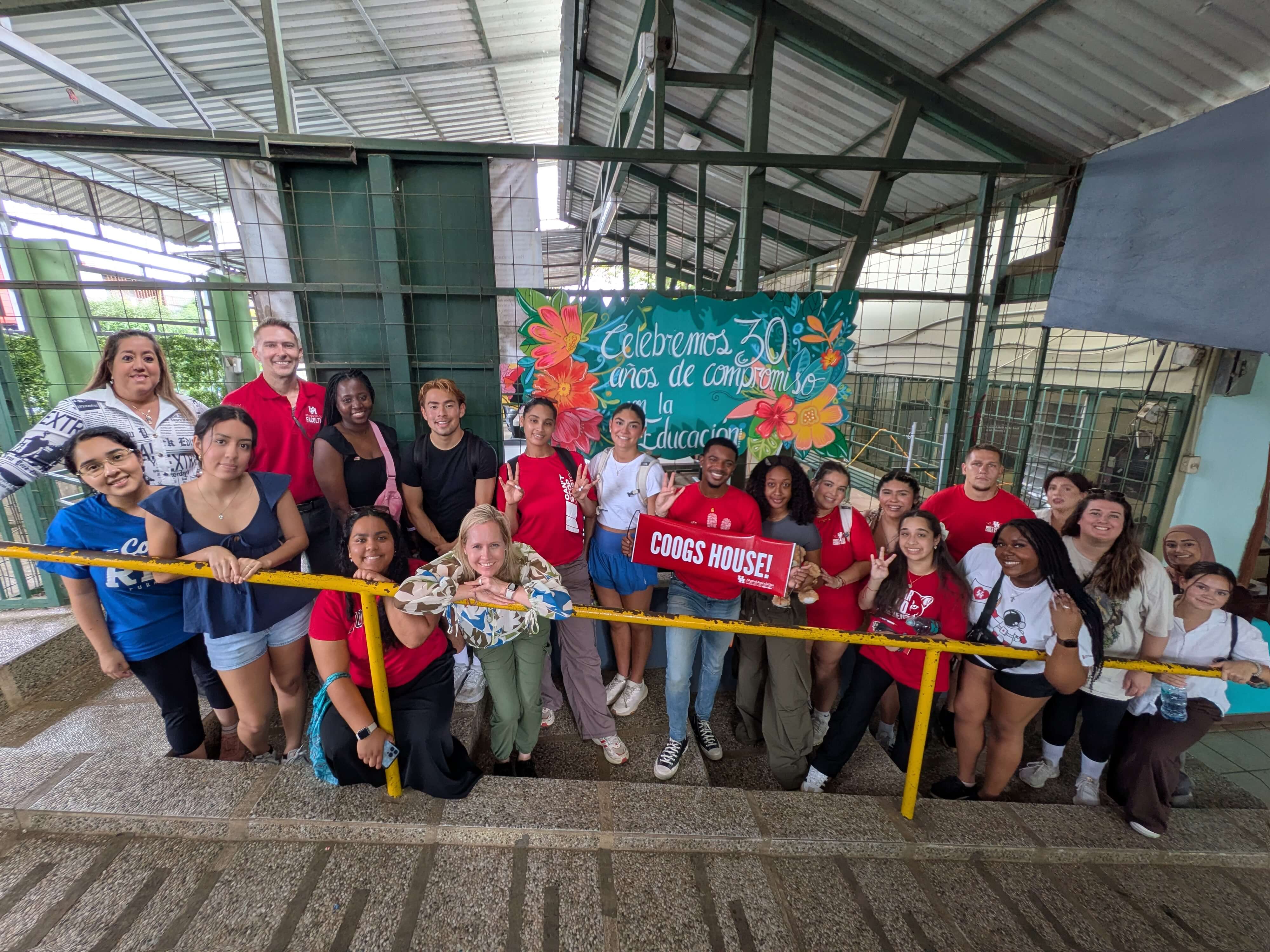
Costa Rica is more than 1,500 miles from Texas, but students from the University of Houston College of Education returned from a service-learning trip with strategies, ideas and inspiration that will translate directly to working with their future students across the Houston area.
“This experience showed me that I am capable of teaching in a diverse classroom,”
said teaching major Areeba Sohail. “I’m excited to carry these lessons forward in
my future classroom.”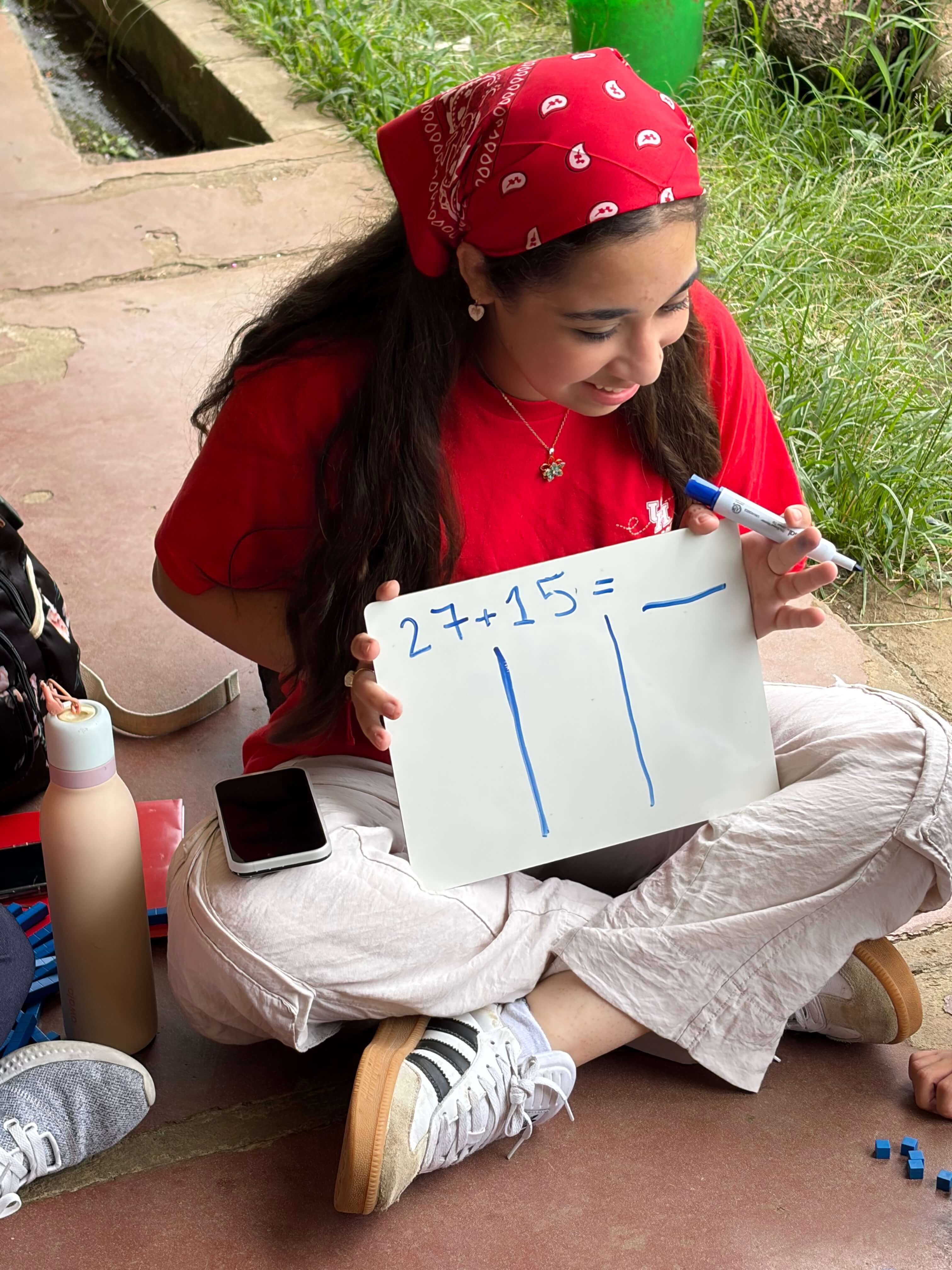
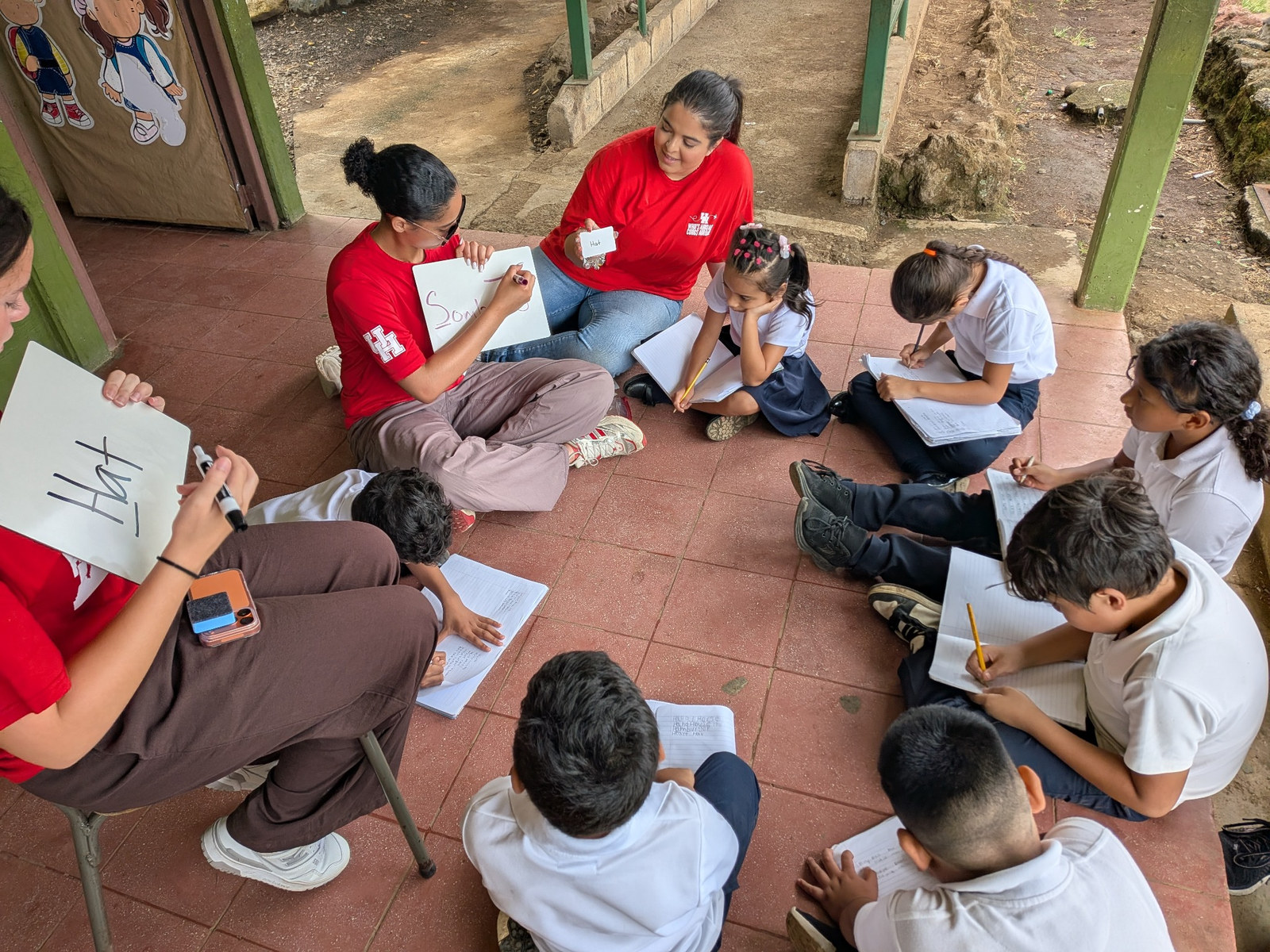
Sohail was one of 18 COE students who participated this summer in an eight-day UH Learning Abroad program, led by professors Justin Burris and Susie Gronseth. The students spent a week teaching mathematics and English to second and fourth graders at Escuela Nuevo Horizonte in Heredia, Costa Rica, a small mountain town just north of the country’s capital, San José.
Designed to help future educators understand how their students’ backgrounds shape their learning, the Costa Rica study abroad program reflects the realities many teachers will encounter in diverse Houston-area classrooms.
“We designed the experience for teachers to learn how instruction can and should be responsive to a child’s family, culture and community,” said Burris, who earned his Ed.D. from the College of Education and now serves as the mathematics education specialization lead for the program.
The program also included workshops and professional development sessions for local educators and education students from Universidad Hispanoamericana, with a focus on designing technology to support inclusive teaching and discussions about the use of artificial intelligence.
Teaching Across Language and Culture
Before leaving Houston, program participants studied Costa Rican culture and the local community where they would be working and began developing lesson plans.
At the elementary school in Heredia, they used manipulatives, images and games to make concepts tangible and connected math and English lessons to students’ daily lives, drawing on familiar places and interests such as soccer, playgrounds and local food markets. These research-backed, culturally responsive strategies are designed to make learning more meaningful, encouraging students to participate, share ideas and engage with challenging content.
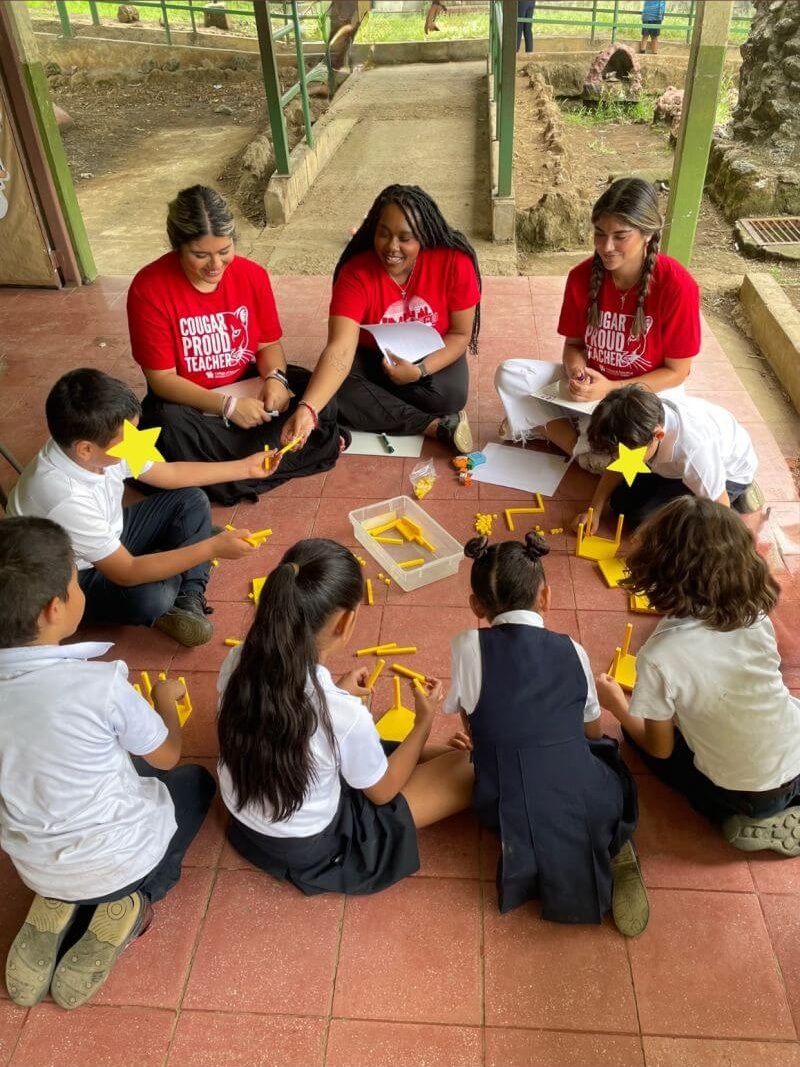 The experience prompted the UH students to consider what it feels like to learn in
a language that is not their first.
The experience prompted the UH students to consider what it feels like to learn in
a language that is not their first.
For teaching major Alyssa Stevenson, navigating language differences while building meaningful connections with students became one of the most significant lessons from the trip. Some of her fellow participants are bilingual, but Stevenson had to rely on her high school Spanish and the app Duolingo to communicate with her students and build relationships.
“That is when I noticed how important it is to be understood and how a student feels more valued when you consider their identity and interests,” Stevenson said.
The experience reflected a core principle of the program: viewing students through an asset-based lens and focusing on what they bring to the classroom. Burris encouraged participants to recognize the knowledge children bring from their homes and communities.
“Resident teachers are learning to use, acknowledge and honor what elementary students bring to the classroom as assets,” Burris said. “By connecting our lessons to students’ lived experiences, we are communicating a form of caregiving. As teachers, we are saying, ‘We care about you, and we adapted these lessons to connect to your lives outside of school.’”
By day two, faculty members saw a shift.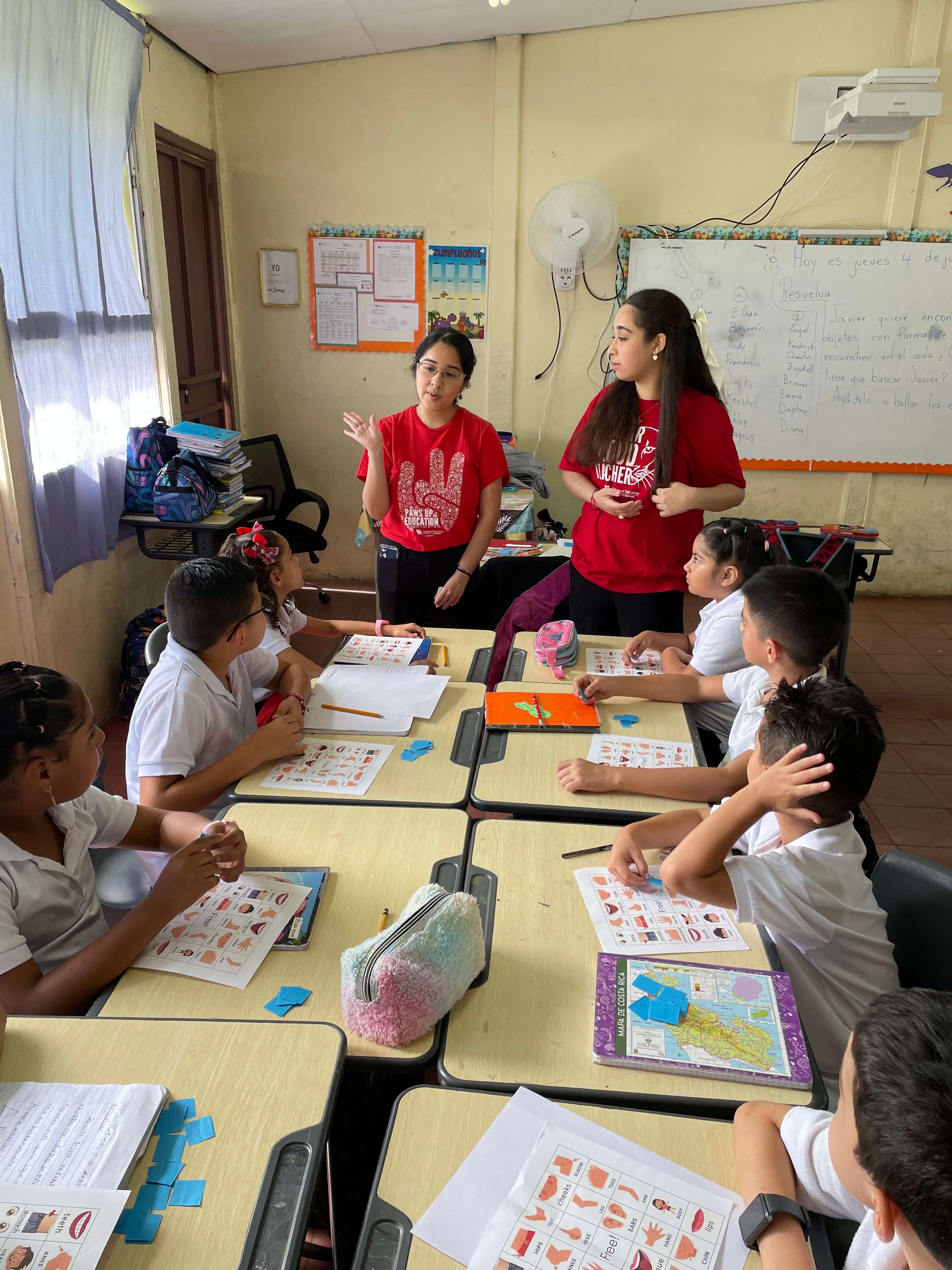
“The first day brought nerves because our resident teachers did not yet know their students or their instructional needs,” Burris said. “By the second day, they felt more comfortable and confident. They were also able to adjust and adapt instruction and activities to meet their students’ needs.”
Kelly Davis, a teaching fellow in the College of Education, said the growth was evident by week’s end. “You could tell by the end of the week that the teachers had gained confidence in adaptability, delivering content and classroom management.”
Learning Beyond the Classroom
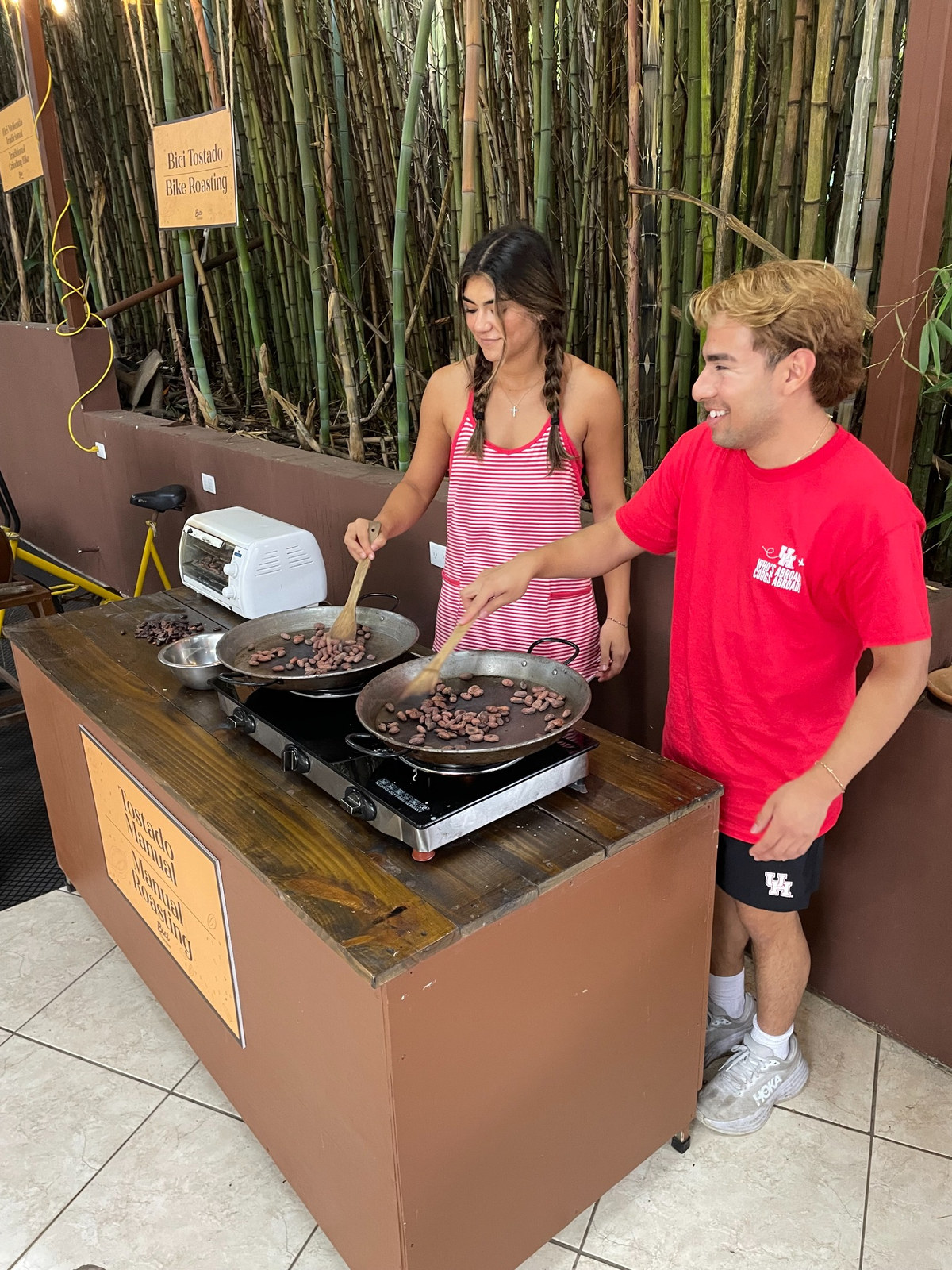
Students lived with host families, visited local markets, participated in a traditional Costa Rican cooking class, toured a wildlife rescue center and learned how chocolate is made, among other activities.
Eden Bilbo said the experience provided opportunities to learn both inside and outside the classroom.
“Spending time in their classroom allowed me to see how important immersive teaching is, not just for the students but for anyone willing to step into a new culture open to learning,” she said. Outside the school, she explored local traditions, foods and customs while developing relationships with community members and her host family.
 “This week was a reminder of why it’s so important to commit yourself to listening,
learning and appreciating the culture that welcomes you in,” she said.
“This week was a reminder of why it’s so important to commit yourself to listening,
learning and appreciating the culture that welcomes you in,” she said.
Burris said living with host families helps students move beyond surface-level cultural experiences. “By spending time, talking and sharing meals with host families, our teachers could identify their host families’ culture while making connections to their own,” he said.
Growing as Educators
The experience reinforced participants’ commitment to teaching.
Valeria Trujillo, who learned English as a child, saw parallels between her own experiences and those of the students she taught.
“I learned how meaningful it is to connect with students, build on their interests and experiences, and create a space where they feel comfortable learning and being themselves,” Trujillo said.
Lizeth Arredondo, an English learner herself, said the experience brought her educational journey full circle. “I traveled to teach, but I quickly realized that my students taught me just as much,” she said.
The UH students also had the opportunity to meet with their peers from Universidad Hispanoamericana.
“There was such camaraderie and positivity in the room that felt electric,” Davis said. “I really appreciated that time to learn from one another and make personal connections.”
Lasting Impact
Students came home to Houston with new confidence, a clearer understanding of culturally
responsive teaching and lessons that will shape their future classrooms: Meaningful
teaching begins with relationships. Students’ cultures and communities are strengths.
And learning thrives when students feel seen, heard and valued.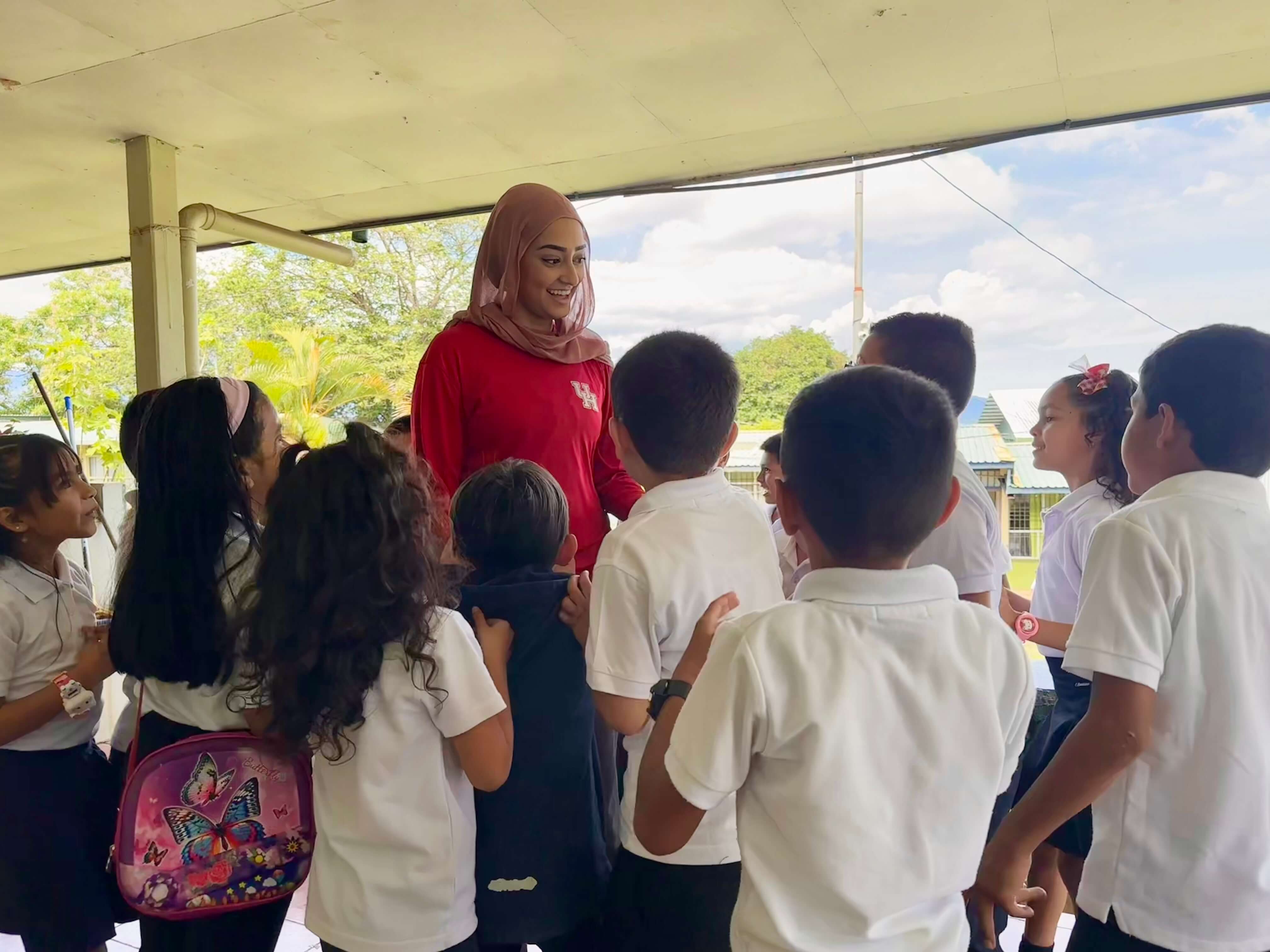
They also brought back a deeper understanding of Costa Rican culture and community. “I truly learned the meaning of pura vida, which is the pure life,” a catchphrase used by Costa Ricans to describe their philosophy of living a peaceful, stress-free life, Sohail said.
Burris said the benefits of the trip extend well beyond a brief trip abroad.
“My hope is that this trip empowers teachers to teach with empathy, learn with openness and curiosity, embrace all cultures and communities, and strengthen their teaching practices to support every student,” he said.