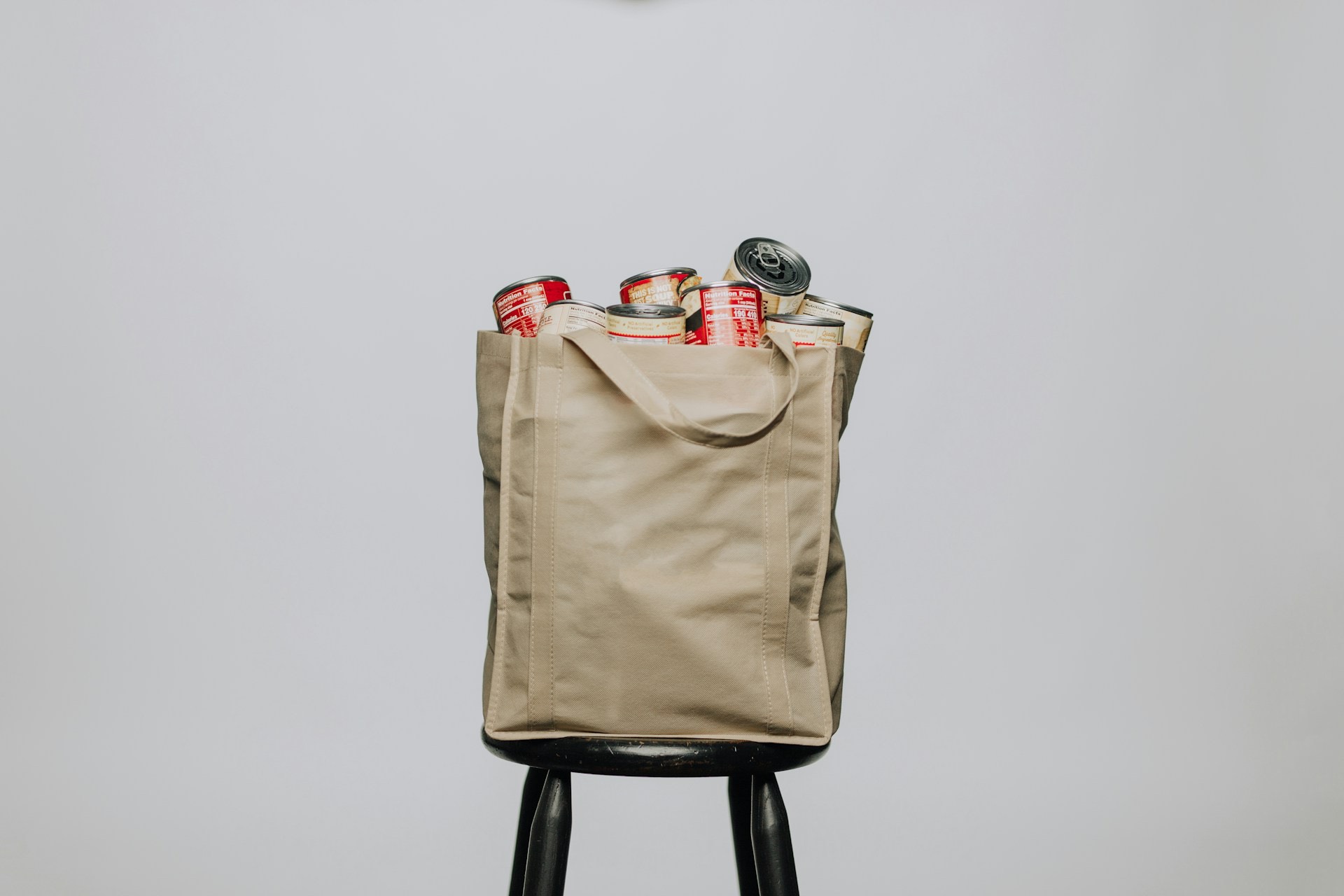
Have you ever bought a "mystery bag" of food from a local bakery or restaurant?
You don't know exactly what's inside. It might be yesterday's pastries, extra sandwiches
or produce that didn't sell before closing. It feels a little like a surprise — and
a little like a risk.
So why are millions of people willing to take that chance?
A recent study by Tiffany S. Legendre, Zhihong “Andrea” Lin (’21, MS ’23) and Anni
Ding (MS ’18, Ph.D. ’23) explores what motivates consumers to purchase surplus food
through rescue apps like Too Good To Go. Published in the International Journal of Contemporary Hospitality Management, the research reveals that reducing food waste isn't just about encouraging people
to "do the right thing." It's about designing an experience that makes sustainable
choices feel valuable.
Unlike traditional food delivery apps, food rescue platforms ask consumers to buy
food without knowing exactly what they'll receive. That uncertainty can discourage
first-time buyers, so the researchers wanted to understand what builds enough confidence
for someone to click "purchase."
The answer wasn't just bigger discounts.
After testing different app designs, the researchers found that three features mattered
most: clear discount information, detailed product descriptions and visible food safety
information. Together, these elements helped consumers see rescued food as a smart
purchase rather than a risky one.
One of the study's most surprising findings challenged a common assumption.
It's easy to think food rescue apps primarily appeal to consumers looking to save
money. Instead, the researchers found that higher-income consumers placed even greater
importance on discount information than lower-income consumers. The value wasn't simply
in spending less — it was in feeling like they had discovered a worthwhile deal.
That changes the conversation around surplus food.
Rather than marketing rescued food as a charitable alternative or a last resort, hospitality
businesses have an opportunity to position it as a desirable product with both economic
and environmental benefits. A thoughtfully designed app can transform surplus food
from something people hesitate to buy into something they actively seek out.
Imagine opening an app and seeing a nearby restaurant offering a "Chef's Surprise
Bag" for 70% off. The listing explains what types of items might be included, clearly
states the food safety standards and emphasizes the environmental impact of preventing
perfectly good food from going to waste. Suddenly, you're not just buying leftovers.
You're discovering a great deal while helping reduce waste.
For restaurants, hotels and digital platforms, the takeaway is simple: sustainability
doesn't have to compete with consumer value — it can enhance it. The way surplus food
is presented can influence not only whether people buy it, but how they perceive the
entire experience.
Sometimes the best way to rescue food isn't by asking people to make a sacrifice.
It's by helping them realize they've found something worth grabbing before it's gone.
Learn More
Title: Designing demand: consumer value construction in food rescue apps
Authors: Tiffany S. Legendre, Zhihong Andrea Lin & Anni Ding
International Journal of Contemporary Hospitality Management, 2025
Read it via Emerald: https://www.emerald.com/insight/content/doi/10.1108/IJCHM-02-2025-0273/full/html